
How to Choose Bedroom Sofas in 2026?
Choosing Bedroom Sofas in 2026 requires more than following a fashionable color or shape. The right piece must support sleep, reading, conversation, and daily movement. A narrow room may need a compact two-seater. A larger bedroom can accommodate a chaise, modular sofa, or discreet sleeper design. Measure the wall, doorway, lift, and walking space before shopping.
David Hicks, the influential British interior designer, once said, “The best rooms have something to say about the people who live in them.” His observation still matters. Bedroom Sofas should reflect personal habits, not simply showroom styling. Consider seat depth, cushion firmness, arm height, fabric texture, and cleaning needs. A soft boucle may feel warm, but it can demand careful maintenance. Performance linen may look relaxed, yet its durability depends on construction and care.
Comfort is personal.
This guide examines 2026 materials, silhouettes, colors, storage features, and space-saving solutions through practical design experience and reliable buying criteria. It also considers frame strength, cushion recovery, upholstery testing, manufacturer warranties, and available safety information. These details often matter more than a dramatic product photograph. Sustainable claims deserve attention, but they should be checked against clear material descriptions and certifications. There is no perfect sofa. My own mistake was once choosing style over seat depth; the room looked beautiful, but reading became uncomfortable within minutes. That small failure offers a useful lesson. The best Bedroom Sofas balance appearance, measurable comfort, honest construction, and the realities of everyday bedroom life.
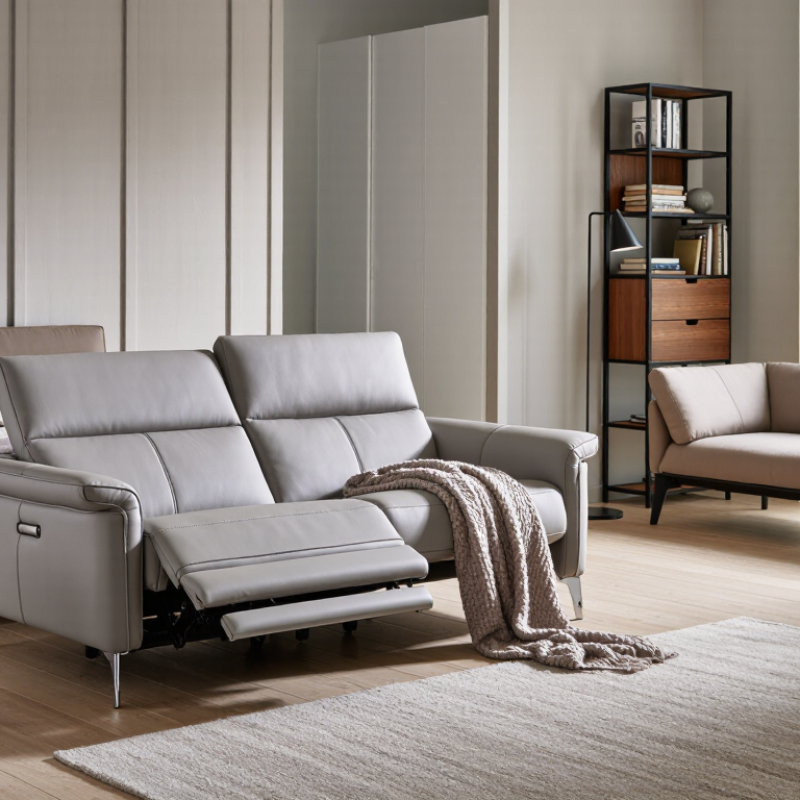
Understanding Bedroom Sofa Functions and Room Requirements
How to Choose Bedroom Sofas in 2026?
Understanding Bedroom Sofa Functions and Room Requirements
A bedroom sofa should support the room’s daily purpose, not simply fill an empty corner. Decide whether it will serve reading, dressing, relaxing, or occasional sleeping. Each function requires a different shape, depth, and cushion firmness. Measure the available wall before shopping. Record door swings, window positions, and radiator clearances. Leave at least 70 centimeters for comfortable walking where possible. This small detail prevents awkward movement at night.
For reading, choose supportive back cushions and a seat that keeps your feet stable. A softer sofa may suit short periods of relaxation. However, very deep seating can make getting up difficult. If guests might sleep there, inspect the opening mechanism and mattress thickness carefully. Test it in person, if possible. Storage underneath can hold spare bedding, but it may reduce ventilation. I once selected a beautiful sofa with hidden storage. It blocked a drawer completely. That mistake still influences my measurements.
Room conditions also affect material choices. Sunlight can fade fabric near a bright window, while poor ventilation may encourage odors. Choose removable covers when cleaning needs are frequent. Check the frame, joints, and weight capacity rather than trusting appearance. A narrow sofa may feel practical, yet its arms can waste valuable seating space. Bedroom proportions matter more than fashionable shapes. I still misjudge scale sometimes. A paper outline on the floor often reveals problems before delivery.
How to Choose Bedroom Sofas in 2026? – Understanding Bedroom Sofa Functions and Room Requirements
| Sofa Type | Primary Bedroom Function | Recommended Room Size | Typical Width | Typical Depth | Recommended Clearances | Best Use Case | Key Selection Considerations |
|---|---|---|---|---|---|---|---|
| Compact Bedroom Loveseat | Seating for reading, dressing, relaxing, or putting on shoes. | Small to medium bedrooms, approximately 10–16 m². | 120–165 cm | 75–90 cm | At least 60 cm in front; 5–10 cm from the wall for airflow and cleaning. | Bedrooms with limited floor space that still need two-person seating. | Choose slim arms, a shallow seat, and a light visual profile to avoid making the room feel crowded. |
| Armless Bedroom Sofa | Flexible seating with a low visual footprint. | Small bedrooms or rooms with narrow circulation zones. | 110–180 cm | 70–85 cm | Keep a 60–75 cm walking path around the main furniture route. | Modern bedrooms, compact apartments, and rooms where every centimetre matters. | Armless designs improve visual openness but may provide less side support and storage space. |
| Bedroom Chaise Lounge | Reading, reclining, resting, and occasional daytime lounging. | Medium to large bedrooms, approximately 14–22 m². | 70–90 cm | 140–180 cm | Allow 60 cm beside the chaise and 75–90 cm at the foot end where possible. | Bedrooms with an unused corner, window zone, or dedicated reading area. | Check the chaise orientation, window clearance, and whether the extended section obstructs wardrobes or doors. |
| Bedroom Settee | Decorative seating, reading, and occasional guest seating. | Medium bedrooms with a defined seating area. | 120–180 cm | 65–85 cm | Leave approximately 75 cm between the settee and the bed or other major furniture. | End-of-bed placement, dressing areas, and bedrooms with a classic or refined interior style. | Verify seat height against the bed and nearby furniture; a visually elegant settee may have a firmer seat. |
| Sofa Bed | Daily seating with an additional sleeping function. | Medium to large bedrooms, guest rooms, or multipurpose rooms. | 140–210 cm | 85–100 cm when closed | Measure the fully opened bed length and maintain at least 60 cm of access on one side. | Guest bedrooms, studio apartments, and bedrooms that occasionally accommodate overnight visitors. | Measure both the closed and open positions. Check mattress support, opening mechanism, and ease of conversion. |
| Storage Sofa Bench | Seating combined with hidden storage for bedding, cushions, or clothing. | Small to medium bedrooms with limited storage. | 100–180 cm | 40–60 cm | Leave enough space to lift the seat or open drawers without hitting the bed or wall. | End-of-bed storage, dressing zones, and bedrooms that need extra organization. | Confirm the storage opening direction, weight capacity, ventilation, and whether the seat height is comfortable. |
| Modular Bedroom Sofa | Reconfigurable seating for changing layouts and activities. | Large bedrooms or rooms with flexible furniture zones. | 160–280 cm or more | 80–105 cm | Plan for at least 75 cm of circulation around the arrangement and additional space between modules. | Large primary bedrooms, family bedrooms, and interiors that may be rearranged regularly. | Check module connectors, total footprint, delivery access, and whether individual pieces can be moved easily. |
| Window-Side Bedroom Sofa | Reading, conversation, and creating a quiet relaxation zone. | Medium to large bedrooms with a suitable window recess or open wall. | 120–200 cm | 70–90 cm | Keep the sofa clear of window handles, curtains, radiators, and ventilation outlets. | Bedrooms with natural light and a separate corner away from the sleeping area. | Use fade-resistant upholstery where direct sunlight is strong, and avoid blocking emergency egress or window access. |
Related Posts
-

Exploring the Unique Features and Advantages of Best Mobility Sofas for Every Lifestyle
-
Discover the Latest Trends in Bedroom Sofas at the Upcoming Guangzhou Trade Fair
-
Transform Your Living Space: The Ultimate Guide to Choosing the Perfect Factory Sofa
-
Top 10 Mobility Sofas: Find Your Perfect Versatile Seating Solution
-
China Top Quality Made Sofas Manufacturers for Global Buyers
-
What Are the 2026 Top Quality Sofas?