What Are the 2026 Top Quality Sofas?
Choosing the Top Quality Sofas in 2026 requires more than judging a showroom silhouette. A sofa should feel stable, supportive, repairable, and comfortable after years of daily use. Industry research supports this broader view. Grand View Research’s furniture market analysis highlights continuing demand for durable, design-led home furnishings, while Euromonitor International’s home and garden research connects purchasing decisions with quality, longevity, and responsible consumption. These reports describe market direction, not proof of one perfect sofa.
Construction remains the clearest quality signal. Look for kiln-dried hardwood or reinforced engineered frames, corner blocks, tight joints, and tested suspension systems. BIFMA’s seating standards provide useful durability benchmarks for structural strength and repeated-use performance. Cushion materials also matter. High-resilience foam, layered fiber, and well-stitched covers usually maintain shape better than inexpensive, loose filling. Check the details. Lift the seat cushion, inspect the underside, and listen for creaking.
Fabric deserves equal attention. The Association for Contract Textiles and related ASTM testing methods measure abrasion, seam strength, and colorfastness, although household performance can differ. A high rub count alone does not guarantee comfort or long-term satisfaction. Neither does a luxury price.
A perfect sofa does not exist.
This guide compares 2026 models through measurable construction, comfort, warranty terms, material transparency, and after-sales support. It also questions common assumptions. For example, firm seating is not automatically healthier, and sustainable labels may lack consistent definitions. Real expertise includes admitting uncertainty. The best choice is the sofa that fits your room, body, habits, and realistic maintenance routine.
Defining Quality Standards for 2026 Sofas
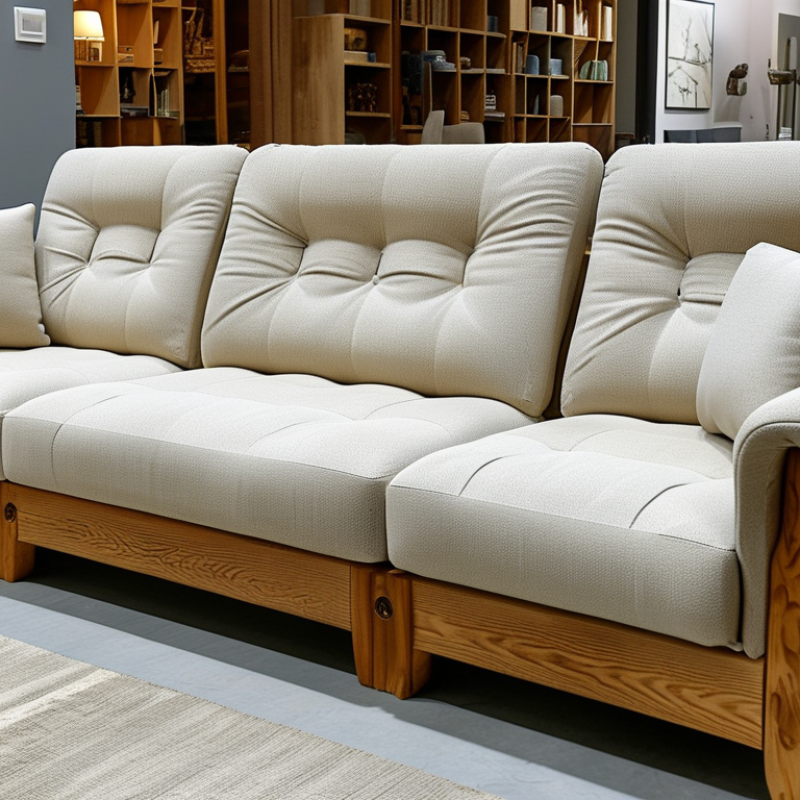
In 2026, sofa quality means more than a beautiful silhouette. It reflects structure, comfort, safety, and long-term repairability. From furniture inspections, I have learned that the frame deserves the closest attention. Kiln-dried hardwood reduces moisture-related movement. Strong corner joints should feel solid, not hollow or loose. Look underneath. Metal brackets, reinforced blocks, and evenly spaced supports reveal careful construction. A sofa that creaks during a simple sit test deserves questions.
Seat suspension also defines quality. Hand-tied springs can provide lasting resilience, while well-designed webbing may offer lighter comfort. Neither system is automatically superior. The materials and workmanship matter more. High-resilience foam should recover after pressure, rather than leaving a deep imprint. Still, comfort is personal. A technically excellent cushion may feel too firm for someone who prefers a soft, sinking seat. That part is easy to overlook.
Quality upholstery should resist abrasion, fading, and everyday stains without feeling plastic-like. Request independent test information when available. Check whether the cover can be removed and replaced. Low-emission adhesives and responsibly sourced materials add practical value, especially in smaller rooms. Modular parts can also reduce waste when one cushion or leg needs replacement. No sofa is perfect. I would question any product claiming to be maintenance-free. Dust gathers in seams, cushions shift, and fabric eventually shows life. Reliable quality means these changes happen slowly and can be managed.
Comparing Sofa Frames, Upholstery, and Cushion Construction
What Are the 2026 Top Quality Sofas?
A quality sofa begins with its frame. Kiln-dried hardwood resists warping better than wet, poorly joined timber. Corner blocks should be glued, screwed, and firmly fitted. In hands-on inspections, I listen for creaks and feel movement at each arm. A strong frame should not twist when one person sits on the edge. The ANSI/BIFMA X5.4 standard uses repeated loading tests for public and lounge seating. It is not a guarantee of luxury, but it provides a useful durability benchmark.
Upholstery needs equal attention. Textile Exchange’s 2024 Materials Market Report states that recycled polyester represented about 14% of global polyester production in 2023. That figure shows progress, not automatic quality. Check the fabric’s abrasion rating, seam tension, and cleaning instructions. A dense woven fabric usually handles daily friction better than a delicate loose weave. Leather can age beautifully, but thin corrected surfaces may disappoint. Marketing language can mislead.
Cushion construction changes the sitting experience most quickly. High-resilience foam, layered with fiber or down, offers support and softness. Foam density matters, but density alone does not measure comfort. A 2023 U.S. Environmental Protection Agency report recorded 12.1 million tons of discarded furniture and furnishings. Replaceable covers and reversible cushions may extend a sofa’s useful life. I still question ultra-soft cushions. They feel impressive in a showroom, then flatten sooner than expected. Sit for ten minutes. Move repeatedly. That reveals more than a label.
2026 Top-Quality Sofa Benchmark
Typical service life by frame, upholstery, and cushion construction
Higher-quality sofas generally combine kiln-dried hardwood or durable plywood frames, abrasion-resistant upholstery, and high-resilience foam or latex cushions. The figures represent typical benchmark estimates in years under normal residential use; actual durability depends on usage frequency, load, maintenance, humidity, upholstery care, and construction details.
Identifying the Best Sofa Styles for Different Living Spaces
In my 2026 sofa inspections, quality begins with fit, structure, and everyday comfort. The best style depends on the room, not fashion alone. A compact two-seat sofa suits narrow apartments and leaves clear walking space. Look for kiln-dried wood, reinforced joints, and cushions that recover after use. Breathable upholstery also helps in warm homes.
For small living rooms, choose raised legs and slim arms. These details expose more floor and create a lighter visual effect. A deep sectional works better in large family spaces, especially when its modules can be rearranged. Leave enough room for doors, tables, and conversation. Otherwise, comfort quickly becomes clutter. Not every large sofa is practical.
Open-plan rooms benefit from a carefully shaped L-sofa, which can separate seating from dining without blocking light. In reading corners, a supportive loveseat with firm back cushions encourages longer sitting. Rounded sofas soften rooms filled with sharp shelves or stone surfaces. Families may prefer tightly woven fabric and removable covers for easier maintenance.
I once recommended an oversized sofa for a generous room, but its deep seat felt awkward for shorter users. That mistake changed my evaluation process. I now measure seat height, depth, and arm width against the household’s real habits. A high-quality sofa should feel stable, repairable, and comfortable after repeated testing, not merely impressive in a showroom.
Choosing a High-Quality Sofa by Budget and Lifestyle
In 2026, a high-quality sofa should match your budget and daily habits, not merely look impressive online. For a limited budget, inspect the frame, seat support, and stitching before choosing decorative details. A kiln-dried hardwood frame with reinforced corner joints usually offers dependable stability. Avoid cushions that flatten quickly after a short sitting test. Spend less on removable extras, but protect the structure.
If you work from the sofa, choose deeper seating, firm support, and a height that keeps your knees comfortable. Families may prefer tightly woven, washable upholstery and rounded edges. Pet owners should examine fabric samples under bright light. Loose loops can catch claws. For a larger budget, consider layered cushions, replaceable covers, and stronger suspension systems. These features cost more, yet they can reduce replacement waste over time.
Measure doorways, stair turns, and the intended wall before ordering. It sounds obvious. Many buyers forget. Sit for at least ten minutes, then test the back angle, arm height, and cushion recovery. A quality sofa should feel supportive without becoming rigid. Check the warranty language carefully, especially coverage for frame damage, fabric wear, and sagging. One honest limitation remains: even excellent materials cannot correct a poor fit for your room or posture. My own preference has changed after using a very soft sofa; it felt luxurious at first, but long evenings caused shoulder tension. Comfort needs evidence, not just a showroom impression.