
What Are the Best Home Furniture Sofas in 2026?
What makes the best Home Furniture Sofas in 2026 is not a single trend or showroom look. It is how well a sofa fits real routines, room dimensions, and the budget behind it. Interior designer Nate Berkus offers a useful design principle: “Your home should tell the story of who you are, and be a collection of what you love.” For sofa shoppers, that means choosing comfort and character without ignoring construction. A deep, soft seat may feel inviting in a bright showroom, yet overwhelm a narrow apartment. Comfort is personal. Frame materials, suspension, cushion fill, upholstery, and warranty terms deserve closer attention than a polished product photo.
This guide examines Home Furniture Sofas through practical details, including seating capacity, cleaning needs, delivery options, and value. Household habits can change the decision: a family with pets may need tightly woven, easy-care fabric, while a small living room may call for a compact profile and visible legs. Small details matter. No sofa fits everyone. Product specifications and prices can change during 2026, so confirm current information with retailers and manufacturers before ordering. Published dimensions cannot reproduce the feel of a cushion after a long evening. Where possible, compare specifications with hands-on trials and consistent owner feedback. The best choice is not always the most expensive or fashionable. It is the sofa that fits through the doorway, supports you well, and still feels right after ordinary use. Personal comfort is difficult to score, but careful comparisons can make the decision clearer.
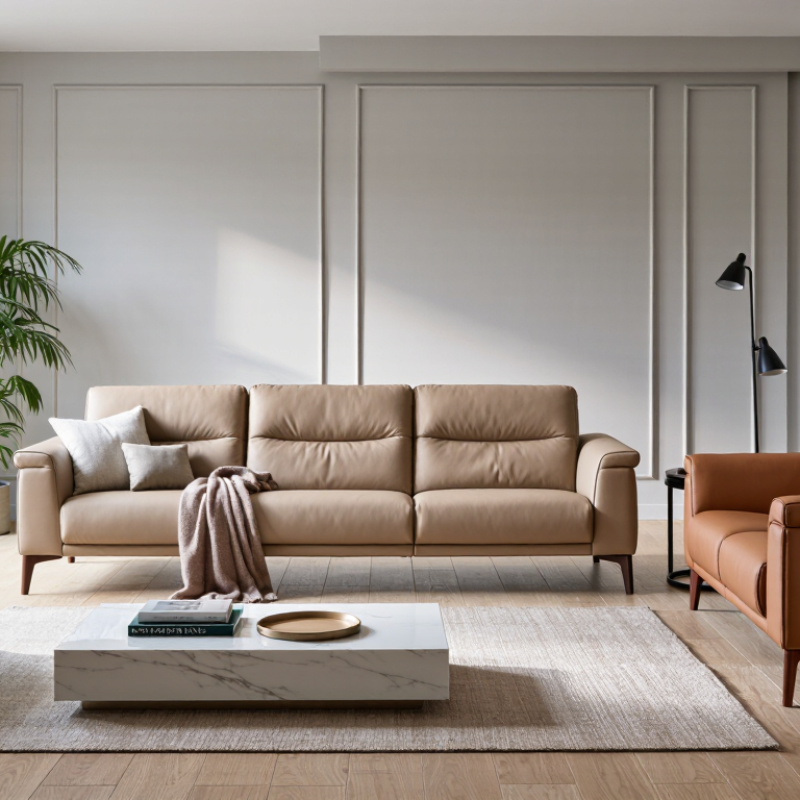
Understanding the Role of Sofas in the Modern Home
A sofa now serves as a seat, a conversation anchor, and sometimes a quiet work spot. It can soften a room with hard floors and bright windows. In compact homes, its shape also affects how people move between the living and dining areas. Not magic. Good placement matters.
The 2024 U.S. Houzz & Home Study reported that 54% of surveyed homeowners renovated in 2023, with median renovation spending of $24,000. The study tracks home projects, not sofa purchases, but it shows how much attention people give to their living spaces. A sofa should fit that larger plan. Measure the room, doorways, and stair turns before choosing one. Then check whether the seat depth suits the people who will use it.
A large sectional may look inviting in a showroom but crowd a narrow walkway at home. That mismatch is easy to miss. Leave enough space to pass without turning sideways, and consider washable, durable upholstery where children, pets, or frequent guests are part of daily life. Comfort is personal, too: a low lounge seat may feel restful to one person and awkward to another. Sit on different styles if possible, and notice how your back and knees feel after several minutes.
What Are the Best Home Furniture Sofas in 2026? — Understanding the Role of Sofas in the Modern Home
The best sofa depends on room size, household routines, comfort preferences, and how the living space is used. The dimensions below are typical planning ranges; actual measurements vary by design and configuration.
| Sofa Type | Typical Overall Dimensions | Typical Seating | Best Suited To | Role in the Home | Practical Selection Notes |
|---|---|---|---|---|---|
| Compact or Apartment Sofa | 72–80 in wide × 32–36 in deep (183–203 × 81–91 cm) |
2–3 people | Small living rooms, apartments, and multipurpose spaces | Provides everyday seating while leaving more floor area available for circulation and other furniture. | Measure doorways, hallways, and stair turns as well as the room. A compact frame does not always mean a shallow seat. |
| Standard Three-Seat Sofa | 84–96 in wide × 35–40 in deep (213–244 × 89–102 cm) |
3 people | Medium to large living rooms and everyday family use | Works as a central seating anchor for conversation, relaxing, and watching television. | Allow comfortable walking space around the sofa and check seat depth for the people who will use it most. |
| Loveseat | 48–72 in wide × 30–38 in deep (122–183 × 76–97 cm) |
2 people | Small rooms, reading corners, or pairing with a larger sofa | Adds a smaller conversation seat without requiring the footprint of a full-size sofa. | Its name does not guarantee a specific size; compare the listed width and usable seat width before purchasing. |
| Sectional Sofa | Long side commonly 100–120 in; return commonly 60–90 in (254–305 × 152–229 cm) |
4–6 or more, depending on configuration | Open-plan rooms and households that need generous shared seating | Defines a seating zone and can make efficient use of a corner or room perimeter. | Check the complete configuration, chaise orientation, and delivery path. Leave enough room for walkways and nearby doors. |
| Sleeper Sofa | Usually 72–90 in wide × 35–40 in deep when closed (183–229 × 89–102 cm) |
2–3 people; sleeping capacity varies | Guest rooms, studios, and homes without a dedicated guest bedroom | Combines daytime seating with an occasional sleeping surface for overnight guests. | Check the open bed dimensions and the space needed to extend it. Mattress size and comfort differ by mechanism and model. |
| Reclining Sofa | Often 80–100 in wide × 35–40 in deep when upright (203–254 × 89–102 cm) |
2–3 people | TV rooms and homes where supported lounging is a priority | Offers adjustable lounging positions for relaxation and extended periods of sitting. | Account for the recliner’s required clearance or confirm that it is designed for a wall-hugging setup. |
Planning note: Dimensions are general furniture-planning ranges, not specifications for every sofa. Before buying, verify the product’s overall width, depth, height, seat dimensions, configuration, and delivery access. For comfortable circulation, keep clear paths between the sofa and other frequently used areas of the room.
Related Posts
-
Top Home Sofa Trends for Global Buyers in 2026?
-
China Top Quality Made Sofas Manufacturers for Global Buyers
-
Innovative Factory Sofa Designs Transforming Modern Living Spaces with Industry Insights
-

The Ultimate Guide to Choosing the Perfect Furniture Sofa for Your Home
-

Understanding After Sales Support and Maintenance Costs for Best Quality Made Sofas
-

Unveiling Trends in Home Furniture Sofas at the 138th Canton Fair 2025