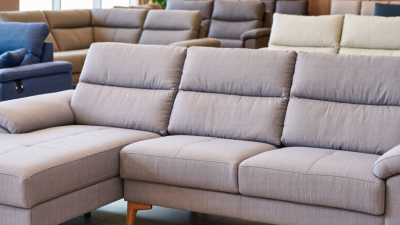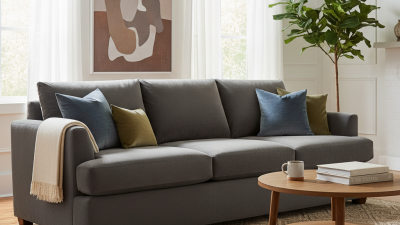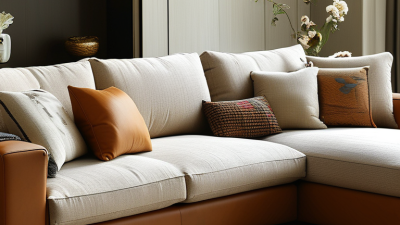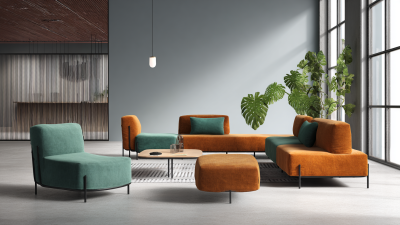
In 2026, global buyers are looking for more than a good-looking sofa. They want comfort that lasts, practical materials, and designs suited to changing homes. A Home Sofa may anchor a compact city apartment, a family living room, or a shared hospitality space. The right choice depends on how it will be used, how much room it needs, and how easily it can be cared for.
Several trends are shaping the market: modular seating, softer silhouettes, adaptable neutral colors, and fabrics designed for everyday life. Picture a low-profile sofa with washable covers, a chaise that can move to either side, and a frame sized to pass through a narrow doorway. These details matter. They can be more useful than a dramatic shape that looks impressive but leaves little space to walk.
Buyers should also look beyond trend photos. Check seat depth, frame construction, cushion support, fabric performance, and delivery dimensions before ordering. Ask suppliers for clear specifications and care guidance; vague claims deserve a closer look. Trends can offer a helpful starting point, not a guarantee of quality. Some popular colors or finishes may feel dated sooner than expected. Thoughtful choices begin with real rooms, real routines, and honest expectations.
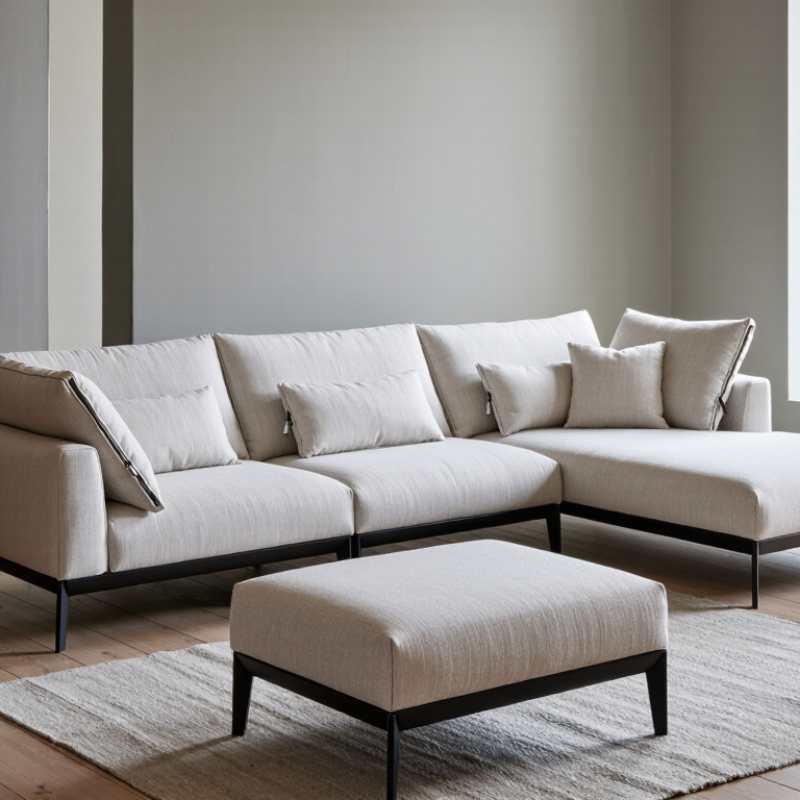
Global furniture reached an estimated $677.09 billion in 2024, according to Grand View Research’s global furniture market report. That figure covers more than sofas, but it signals the scale of competition for household spending. For sofa makers and buyers, the useful question is not simply which style is trending. It is whether a sofa suits real rooms, daily routines, and changing budgets. A compact apartment may need a shallow frame and visible legs; a family room may benefit from removable, washable covers. The market figure is impressive. It is not a guarantee of growth for every product category.
Grand View Research projects the broader furniture market to grow through 2030, while regional demand and material costs can vary. Buyers should therefore treat trend forecasts as context, not certainty. In 2026, adaptable designs, durable upholstery, and practical dimensions may matter as much as color. A pale fabric can look calm in a showroom, then show every mark at home. I have seen product decisions look obvious on paper and less so in a lived-in room.
Tips: Measure doorways, stair turns, and the room before ordering. Ask about fabric-care instructions, cushion replacement, and frame construction. Compare the specifications, not just the photographs. A simple checklist helps, though it cannot predict every preference.
Source: Grand View Research, Furniture Market Size, Share & Trends Analysis Report, 2025.
Top Home Sofa Trends for Global Buyers in 2026?
Sofa formats should fit how people actually live, not just how a showroom looks. Modular sofas use separate units that can be rearranged as rooms change. Sectionals create a generous corner for family seating, but measure doorways and turning space before ordering. Sleeper sofas add a bed without a separate guest room. Compact designs suit tight apartments, though slim arms and shallow seats may trade away lounging comfort. The UN’s World Urbanization Prospects reports that 55% of the global population lived in urban areas in 2018, with the share projected to reach 68% by 2050. That urban shift makes adaptable, space-conscious furniture worth considering—not a guarantee that one format works everywhere.
Tips: Measure the room, doorway, and lift. Mark the sofa footprint with tape. Check the open-bed length, too. A modular layout can be flexible, but connectors and cushions may shift; I would check those details in person when possible.
For global buyers, compare seat depth, upholstery care, and replacement-part availability alongside price. A sectional may look efficient on a plan yet overwhelm a narrow room. A compact sofa may fit neatly but feel less comfortable during a long film. Dimensions matter. UN figures describe broad urbanization, not furniture demand, so treat them as context rather than proof of a specific trend.
Sofa Formats Explained: Modular, Sectional, Sleeper, and Compact Designs
Approximate overall widths vary by model and market. Compact sofas suit smaller rooms, sleeper sofas add a guest-bed function, and modular or sectional designs typically need more floor space while offering flexible seating arrangements.
Top Home Sofa Trends for Global Buyers in 2026
Urban living is reshaping sofa design. UN projections suggest that 68% of people may live in cities by 2050. Smaller apartments will need furniture that saves floor space without feeling temporary. Compact two-seat sofas, modular corner units, and wall-hugging designs are gaining attention. Some models include hidden storage beneath the seats. Others use narrow arms to create more usable seating width.
Tips: Measure doorways, lifts, and turning spaces before ordering. Leave at least 60 centimeters for main walkways. Choose removable covers in homes with children or pets. Test the seat depth carefully. A sofa can look elegant online but feel uncomfortable after ten minutes.
Materials also matter for global buyers. Breathable woven fabrics can suit warm climates, while tightly constructed upholstery may resist daily wear. Raised legs make cleaning easier and create a lighter visual effect. Neutral colors remain practical, but muted green, clay, and deep blue can add character. Buyers should check frame construction, cushion filling, warranty terms, and local repair access. Sustainability claims need evidence, not attractive wording. I have found that the smallest sofa is not always the smartest choice; poor support can encourage replacement too soon. In dense homes, flexible furniture often performs better than a perfect-looking fixed design.
The United Nations projects that 68% of the world’s population will live in urban areas by 2050. The sofa formats and planning notes below are practical considerations for compact homes; the suggested dimensions are indicative, not universal standards.
| Sofa format | Space-saving benefit | Indicative planning dimensions | Useful buyer checks |
|---|---|---|---|
| Compact two-seat sofa | Fits smaller living areas while providing seating for two. | Approx. 140–180 cm wide; verify the maker’s actual measurements. | Measure doorways, lifts, stair turns, and the intended wall before ordering. |
| Armless or slim-arm sofa | Reduces the footprint taken up by bulky arms; modular pieces can be easier to rearrange. | Compare total width and depth with the available floor area; dimensions vary by design. | Check seat width, comfort, stability, and whether components connect securely. |
| Storage sofa | Provides concealed storage for items such as blankets, reducing the need for separate storage furniture. | Allow room to open the storage mechanism and access its contents. | Check usable storage volume, opening direction, and the effort required to lift the seat. |
| Sofa bed | Combines seating and a guest-sleeping function in one piece of furniture. | Measure both the folded footprint and the fully opened bed area. | Confirm clearance around the opened bed, mattress size, and ease of conversion. |
| Modular sofa | Separate sections can be arranged to suit different room layouts or moved individually. | Plan the dimensions of each module and the complete configuration. | Check connector compatibility and whether replacement or additional modules are available. |
| Legged, raised-base sofa | Visible floor beneath the sofa can make a room feel less visually crowded and may simplify cleaning access. | Check the clearance beneath the frame against cleaning needs and any floor-level equipment. | Verify leg strength, floor protection, and the sofa’s total height and depth. |
Source for the urbanization projection: United Nations Department of Economic and Social Affairs, World Urbanization Prospects: The 2018 Revision (projecting 68% of the global population to live in urban areas by 2050). Indicative sofa dimensions are general planning examples, not figures from the UN report.
In 2026, sustainable sofas are moving from a niche preference to a practical buying factor. PwC reports a 9.7% average green premium, meaning buyers may accept higher prices for verified environmental benefits. However, this figure should not guide every purchase blindly. Regional incomes, shipping distances, and certification costs can change the final price.
During sourcing, I look beyond the fabric label. Recycled polyester can reduce demand for new petroleum-based fibers, while certified wood supports responsible forest management. Water-based adhesives may lower indoor emissions. High-density foam also matters because a durable cushion can prevent early replacement. Small details count. Check the frame joints, zipper quality, underside fabric, and cushion recovery after sitting.
Green claims still need careful questioning. A sofa may contain recycled material but use difficult-to-recycle mixed layers. A natural fabric may require intensive farming or long-distance transport. The premium may be real, yet the impact may remain unclear. Buyers should request material percentages, durability tests, repair options, and independent certificates. Product passports can improve traceability, though availability differs across markets. I have also seen attractive “eco” specifications hide weak stitching and thin padding. That is not sustainable.
For global buyers, the strongest 2026 choice may be a repairable sofa with replaceable covers, resilient cushions, and documented materials. Sustainability is not only about what enters the sofa. It is also about how long the sofa stays useful.
Cross-border sofa buying starts with measurements, not appearance. Compare overall width, depth, height, and seat height in centimeters and inches. A 220-centimeter sofa may fit the room but fail at the elevator entrance. Measure doors, stair turns, corridors, and loading access.
Measure twice.
Modular sofas remain practical for international homes because separate sections simplify access and room changes. However, extra connectors can loosen during repeated moves. Ask for a full dimension sheet, section drawings, and packed carton sizes. Calculate cubic volume before ordering. I have seen buyers compare showroom dimensions but overlook packaging space. That mistake can raise delivery costs sharply.
Durability depends on construction, not fabric color. Check the frame material, corner joints, webbing, cushion foam, and stitching. High-use seating needs resilient foam and covers that tolerate frequent cleaning. Request abrasion results, weight limits, moisture protection, and photos of internal construction.
Delivery terms also need careful comparison. Confirm production time, port handling, final-mile service, damage reporting, and who manages customs paperwork. A sofa may leave the factory in perfect condition but arrive with crushed corners. Use reinforced packaging, corner guards, and clear inspection records.
Delivery estimates can still slip, especially during peak seasons, so allow buffer time. Some buyers focus too heavily on trends and regret ignoring replacement covers or repair access.