What Is Leather Furniture and Which Type Is Best?
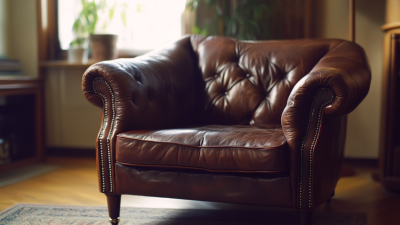
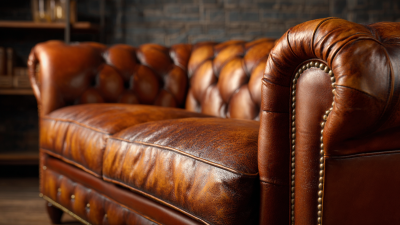
Leather Furniture brings warmth, durability, and a distinct visual character to living spaces. It can mean a leather sofa, armchair, ottoman, dining chair, or bed frame with upholstered panels. Unlike fabric, leather develops a patina as it meets sunlight, skin oils, and everyday movement. That aging process can look beautiful. It can also reveal careless maintenance.
Timothy Oulton, a respected furniture designer and leather specialist, says, “Leather should feel lived-in, not overly precious.” His view captures an important buying principle. The best leather is not always the most expensive option. Full-grain leather preserves the hide’s natural surface, including small marks and texture. It usually offers strong durability and richer aging. Top-grain leather receives light surface treatment, creating a more uniform appearance. It often suits busy homes that need easier visual consistency. Corrected-grain leather can look practical, while bonded leather may cost less but generally offers weaker long-term performance.
Feel the surface before deciding. Good leather should feel supple, not plasticky. Check the stitching, frame construction, cushion filling, and warranty. Ask whether the material covers every visible area or only the seating surfaces. That detail matters.
No choice is flawless.
A full-grain sofa may show scratches quickly. A corrected finish may hide them better, but it can feel less natural. Pets, children, sunlight, and cleaning habits should shape the decision. This guide examines each leather type honestly, helping readers choose Leather Furniture that fits real life rather than an idealized showroom.
What Leather Furniture Is: Hide Structure, Grain, and the 4 Main Leather Types
What Is Leather Furniture and Which Type Is Best?
Leather furniture begins with the hide, not the finished sofa. A hide has a dense outer surface, a fibrous middle, and a softer underside. The outer surface contains natural grain patterns, pores, scars, and small variations. Those marks are not defects. They often confirm genuine material.
The four main types are:
Full-grain
keeps the complete outer surface, so it usually develops a deeper patina and needs careful cleaning.
Top-grain
is lightly sanded for a more uniform appearance. It feels refined, but sanding removes some natural character.
Split leather
comes from the lower hide layer and often receives a coating or embossed pattern.
Bonded leather
combines leather fibers with binders and a surface finish. It costs less, but its surface may peel sooner under heavy use.
According to the Food and Agriculture Organization, the world had roughly 1.5 billion cattle in 2022. That figure shows the scale of potential hide supply, not guaranteed furniture quality. CSIL’s World Furniture Outlook 2024 placed global furniture consumption above one trillion U.S. dollars, reflecting strong demand for upholstered products. Still, reports cannot replace touch and inspection. Press the cushion, inspect the back panel, and ask whether the label describes the whole piece or only selected surfaces. I have seen attractive furniture use mixed materials without explaining them clearly. That deserves a second look. The best choice depends on traffic, children, pets, maintenance habits, and budget.
How Leather Is Finished: Full-Grain, Top-Grain, Corrected-Grain, and Bonded Leather
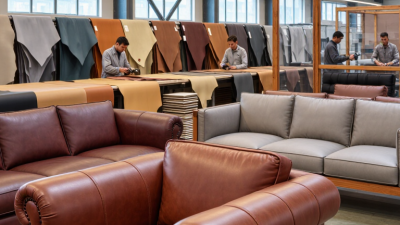
Leather furniture uses animal hide as its visible upholstery, but its feel depends heavily on finishing. Full-grain leather keeps the complete natural surface. Small scars, pores, and color changes remain visible. It usually feels firm at first and develops a deeper patina with use. This is often the strongest choice, though it can cost more and show imperfections.
Top-grain leather has its surface lightly sanded or refined. It looks more consistent and often feels softer than full-grain leather. Corrected-grain leather receives heavier surface treatment, embossing, or pigment to hide marks. It offers predictable color and easier maintenance. However, excessive correction can reduce its natural character. Bonded leather combines leather fibers with a polyurethane coating. It may look convincing initially, but the surface can crack or peel sooner. “Best” is not absolute.
Tips: Press the surface gently. Good leather should feel flexible, not plastic-like. Check the label for the exact leather category, not vague terms such as “leather finish.” Smell the material, inspect stitching, and ask about the backing layer. In my experience, full-grain is rewarding for long-term use, while corrected-grain suits busy homes. I once underestimated color variation; natural hide can look different under evening light. Consider that before ordering.
What Is Leather Furniture and Which Type Is Best? — How Leather Is Finished
Comparison of common leather furniture materials and surface finishes. Actual quality can vary with hide selection, thickness, tanning, upholstery construction, and care.
| Leather Type |
What It Is |
Surface Treatment |
Natural Appearance |
Durability |
Breathability |
Typical Price Level |
Best For |
| Full-Grain Leather |
The outermost layer of the hide, with the original grain and natural surface largely preserved. |
Usually receives a light protective finish, such as aniline or semi-aniline treatment, rather than heavy surface correction. |
★★★★★ |
★★★★★ |
★★★★★ |
High |
Premium furniture, heirloom pieces, and buyers who value natural texture and long-term aging. |
| Top-Grain Leather |
The upper portion of the hide after a thin layer has been lightly sanded or corrected to remove selected imperfections. |
May be pigmented, embossed, or coated to create a more uniform appearance and improve stain resistance. |
★★★★☆ |
★★★★☆ |
★★★★☆ |
Medium to high |
Most living rooms and households seeking a balance of comfort, appearance, protection, and value. |
| Corrected-Grain Leather |
Leather whose surface has been more substantially buffed or otherwise corrected to reduce visible scars and irregularities. |
Often embossed with a consistent grain pattern and finished with pigments or protective coatings. |
★★★☆☆ |
★★★★☆ |
★★★☆☆ |
Medium |
Busy homes, uniform-looking interiors, and users who prioritize easier cleaning over natural markings. |
| Bonded Leather |
A reconstituted material made by bonding leather fibers or scraps with binders and applying the mixture to a backing. |
Typically covered with a polyurethane or similar surface layer that can be embossed and colored. |
★★☆☆☆ |
★★☆☆☆ |
★☆☆☆☆ |
Low |
Budget furniture and short- to medium-term use where a leather-like appearance is more important than maximum longevity. |
How to choose:
Full-grain leather is generally the best choice for maximum natural character and longevity. Top-grain leather is often the most practical all-around option because it combines durability, comfort, appearance, and easier maintenance. Corrected-grain leather suits buyers who prefer a consistent finish, while bonded leather is mainly selected for its lower initial cost.
Care note: Keep leather furniture away from direct sunlight and heat, wipe spills promptly, and use only care products recommended for the specific finish. “Bonded leather” labeling and material composition may vary by market, so check the product specification before purchase.
How to Compare Durability: ACT Upholstery Targets of 15,000–30,000 Double Rubs
Leather furniture is made with treated animal hide, offering a distinct surface, warmth, and visible grain. Its durability depends on leather quality, finishing, construction, and daily use. Full-grain leather keeps the natural surface and usually develops deeper character. Top-grain leather is sanded lightly for a more uniform appearance. Corrected-grain leather may resist stains better, but heavy finishing can reduce its natural feel.
ACT Upholstery targets of 15,000–30,000 double rubs provide a useful comparison point. A double rub measures repeated abrasion, not the entire life of a sofa. Around 15,000 rubs may suit moderate residential use. Near 30,000 rubs offers more confidence for busy homes, reading areas, or frequent visitors. Still, leather testing is not always identical to textile testing. Ask how the material was tested.
Look closely at the sample. Run a clean cloth across the grain. Check stitching, cushion edges, and the underside. A strong surface cannot repair weak seams. Full-grain leather may age beautifully, yet it can show scratches quickly. That is not always a defect. It may be a poor choice for households wanting a perfect finish. Bonded leather can look convincing at first, but its surface may wear sooner under repeated friction. I have seen buyers focus too heavily on rub numbers. That was a mistake. Comfort, maintenance, sunlight, pets, and frame quality matter just as much.
Which Leather Fits Each Home: Performance, Maintenance, Comfort, and Budget
Leather furniture is not one material. Full-grain leather keeps the natural surface, develops visible patina, and usually suits quiet rooms with controlled sunlight. Top-grain leather feels smoother and offers a more consistent appearance. Corrected-grain leather hides marks through surface finishing, making it practical for busy households. Split leather can be affordable, but coatings may crack sooner. It is not automatically poor quality.
A 2024 Grand View Research report estimates the global leather furniture market at roughly US$31 billion in 2023, with continued growth expected through 2030. That demand reflects comfort and status, but market growth does not guarantee durability. For children, pets, or frequent meals, protected pigmented leather is the safer choice. Wipe spills quickly. Avoid strong cleaners. Place the sofa away from radiators and direct afternoon sun. Aniline leather feels warmer and softer, yet it absorbs oils and stains easily.
Budget changes the decision. A premium hide may cost more initially, but its repairability can improve long-term value. Lower-priced leather may combine leather surfaces with synthetic panels, so inspect the seat, arms, and back before buying. Ask for the leather grade and finish in writing. A showroom test matters: sit for ten minutes, check cushion recovery, and notice whether the surface feels sticky. I once underestimated that detail. Comfort is personal, and product labels rarely capture it.