What Are the Best Home Chairs in 2026?
Choosing the best Home Chairs in 2026 means balancing comfort, durability, space, and price—not chasing one fashionable silhouette. A chair that looks elegant beside a dining table may feel stiff after a long meal. A deep lounge chair can be inviting, yet overwhelm a compact apartment. The right choice depends on who uses it, how often, and where it sits.
The 2024 U.S. Houzz & Home Study reported that 54% of surveyed homeowners renovated in 2023. The study tracks home projects, not chair purchases, so it cannot tell us which chair features buyers prefer. Still, it shows why practical furnishing decisions matter during home updates. For safety and performance context, ANSI/BIFMA X5.1 provides testing requirements for general-purpose office chairs; it is a useful benchmark, though not a universal certification for every home chair.
Small details count. Check seat height against the table, test whether your feet rest comfortably, and inspect seams, joints, and upholstery care instructions. Measure doorways, too. A chair that cannot reach the room is no bargain. This guide compares dining, accent, ergonomic, and occasional chairs by comfort, materials, construction, and value. It also considers household needs, including limited space and frequent use. Product claims and showroom impressions are not the same as long-term performance; that distinction deserves more attention than it often gets. Use the comparisons as a starting point, then verify dimensions and warranty terms before buying.
How to Define the Best Home Chairs in 2026
The best home chair in 2026 is not simply the softest or most stylish option. It should fit the room, support your body, and suit the way you actually spend time at home. Start with the basics: seat height, depth, back support, and arm placement. When seated, your feet should rest flat, with a little space behind your knees. Your shoulders should feel relaxed, not pushed forward. A chair can look inviting in a photo and still feel awkward after twenty minutes. Comfort is personal.
Tips: Measure your available floor space before shopping. If possible, sit in a similar chair for at least ten minutes. Notice pressure points, fabric warmth, and whether you can stand up easily. Check the care instructions, too; pale upholstery near a busy dining area may demand more upkeep than expected.
Think about daily use, not just appearance. A reading chair may need a supportive back and room for a small side table. A chair for occasional guests can prioritize easy movement and a compact footprint. Materials matter: sturdy joints, stable legs, and upholstery suited to your household can extend useful life. Still, durability claims are hard to judge from a product page alone. Read specifications carefully, and treat vague promises with caution. There is no perfect checklist. Even a well-measured chair may feel wrong once it is in your home.
Which Types of Home Chairs Suit Different Needs?
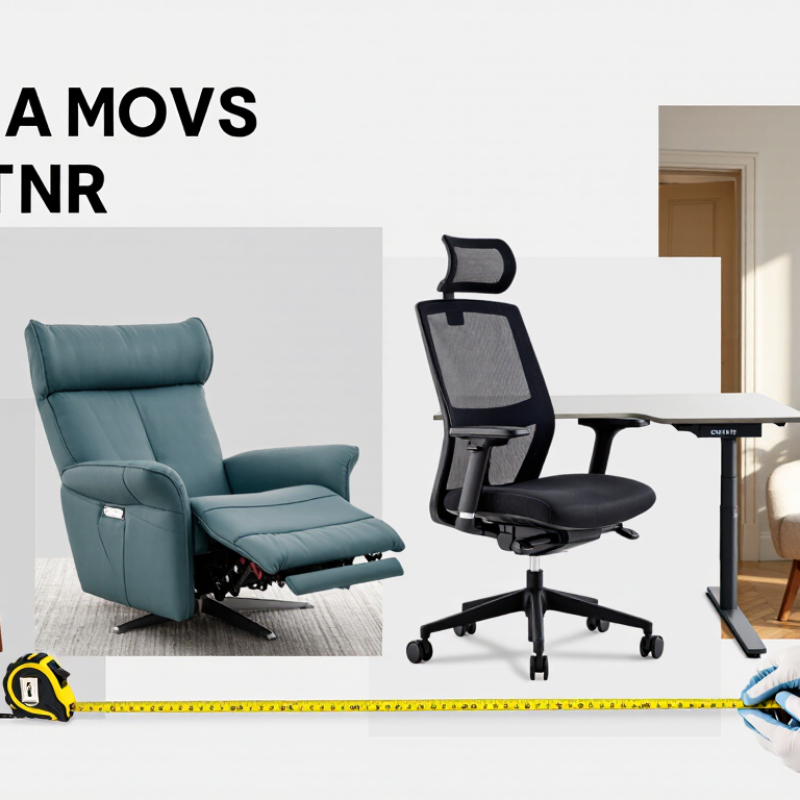
The best home chair in 2026 depends less on appearance than on how you use a room. For long desk sessions, choose an adjustable chair with stable lumbar support and a seat that lets your feet rest flat. Check that the seat edge does not press into the backs of your knees. Small details matter. Even a supportive chair may feel stiff if its back is too upright for your posture.
Dining chairs should let you sit close to the table without bumping your knees. In a compact kitchen, armless designs are easier to tuck away; padded seats can help during long meals. Lounge chairs suit reading or quiet breaks, but deep seats may be awkward for anyone with limited mobility. A firm seat and reachable armrests can make standing easier. A rocking chair can work well in a nursery or beside a window, provided it has enough clearance to move safely.
For shared spaces, an accent chair can add a seat without dominating the room. Measure doorways and floor space before buying, and consider how fabric handles daily spills, pets, or sunlight. A chair may look perfect online and still feel wrong after twenty minutes. If possible, sit in it and test the height, firmness, and arm position; comfort is personal, and good looks cannot fix a poor fit.
How Do Chair Materials and Designs Affect Comfort?
For 2026, chair comfort depends less on appearance than on how materials meet your body.
A firm seat can support easier movement, while very soft foam may feel pleasant at first and flatten unevenly over time. Fabric often feels less sticky against bare skin; smooth upholstery is easier to wipe clean but may feel warm.
Small details matter.
A rounded seat edge reduces pressure behind the knees, and a gently curved back can support your posture without forcing it. Still, one shape cannot fit every body.
Design affects comfort just as much. A chair with a broad, stable base suits relaxed reading, while an adjustable seat and back help during longer desk sessions.
The ANSI/BIFMA X5.1-2017 standard tests general-purpose office chairs through 100,000 seat-durability cycles and 120,000 back-durability cycles.
These are useful durability benchmarks, not proof that a chair will feel comfortable to everyone. Check the seat height with your feet flat on the floor, then sit for several minutes. A cushion can feel supportive in a showroom and become tiring at home.
That part is easy to overlook.
What Features Should You Compare Before Choosing a Chair?
A chair may look comfortable in a photograph but feel tiring after an hour. Compare seat height, depth, and back support against the person who will use it most. When seated, feet should rest flat, with a small gap between the seat edge and the backs of the knees. The backrest should support the lower back without forcing an awkward posture. Small details matter.
Check the chair’s overall dimensions against your room, not just the listed seat size. Measure doorways and the space needed to pull it away from a desk or table. Armrests can ease standing, but they may prevent the chair from sliding under a surface. Materials matter, too: tightly woven fabric can be easier to clean, while leather-like finishes may feel warm in summer. Look for a stable frame, smooth joints, and a weight capacity suited to regular use. A chair can still creak on an uneven floor, so inspect its feet and test it on your own flooring when possible. I would not judge comfort from a brief showroom sit alone; posture and use change over time.
How Can You Match a Chair to Your Room and Daily Use?
A chair should fit the room before it fits a trend. Measure the available floor space, then check the chair’s full width and depth, including its arms. Leave a clear path around it so people can move without turning sideways. Small rooms punish guesswork. A simple tape outline on the floor can reveal whether a chair blocks a doorway or crowds a side table.
Match the seat to its daily job. For dining, compare seat height with your table and make sure the arms can slide underneath. For long evenings in the living room, look for supportive cushioning and a backrest that suits how you actually sit. Reading chairs benefit from a steady base, a comfortable arm position, and enough room for a lamp nearby. Think about cleaning, too: textured upholstery can feel warm, but crumbs and pet hair may cling to it. Wood or other firm surfaces wipe down quickly, though they can feel less inviting in a chilly room. These trade-offs are easy to overlook. If possible, sit in a similar chair for several minutes; a quick showroom test can still miss how it feels after an hour.