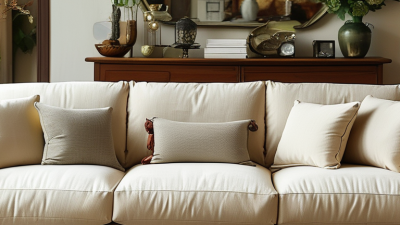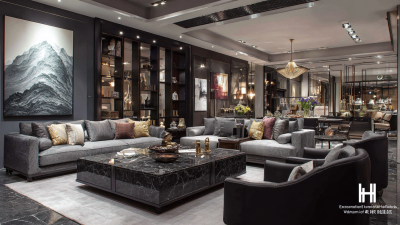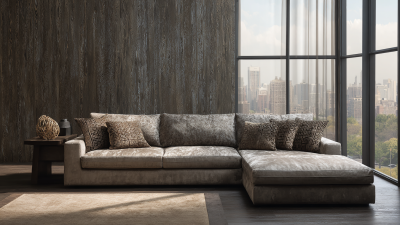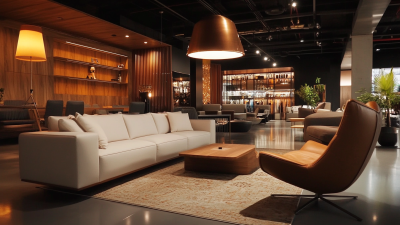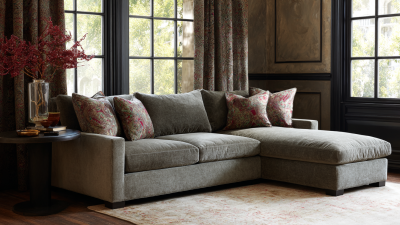
Dining Sofas are moving from occasional seating to central pieces in the 2026 dining room. They combine the comfort of a lounge seat with the structure required for daily meals. That shift reflects broader furniture-market changes, not just changing taste.
Grand View Research reports continued growth in the global home-furniture market through 2030, supported by urban housing and interior upgrades. The report also highlights demand for functional, space-efficient furniture. That matters in compact apartments, where one upholstered bench can replace several separate chairs. It may also explain the appeal of modular dining sofas.
Consumer research adds another layer. The 2024 Houzz U.S. Kitchen Trends Study shows that homeowners continue investing in connected, social spaces. Dining areas increasingly support meals, remote work, children’s activities, and entertaining. A deep corner sofa may look inviting, but its seat height and cleanability require careful review.
The 2026 market will likely feature several leading types: modular dining sofas, L-shaped corner designs, banquette seating, armless benches, and compact two-seat models. Performance fabrics, removable covers, stain resistance, and firm high-density foam will remain practical priorities. Sustainability reports from the Ellen MacArthur Foundation also encourage longer product life and repairable construction.
Comfort still needs discipline.
A sofa that feels soft in a showroom may become uncomfortable during a two-hour dinner. Buyers should check seat depth, table clearance, fabric rub ratings, frame joints, and cleaning instructions. These details are sometimes overlooked. This guide examines the strongest Dining Sofas for 2026, using market evidence, furniture-design expertise, and real household needs.
A dining sofa is an upholstered seat designed for shared meals, not simply a smaller living-room couch. It usually has a firmer seat, supportive back, and a height that matches a dining table. In 2026 interiors, it helps dining areas feel softer, more flexible, and less formal. A well-planned sofa can also improve seating capacity in narrow rooms.
The strongest types include built-in banquettes, corner dining sofas, modular benches, and compact armless designs. Banquettes use wall space efficiently and create a calm, tailored appearance. Corner sofas suit open-plan homes because they define the dining zone without adding walls. Modular pieces offer practical flexibility when families rearrange tables or host guests. Armless forms keep visual space open, especially beside a round table.
Material choice matters as much as shape. Performance fabric, removable covers, and textured upholstery support everyday use. I have found that slightly firm cushioning works better than deep, lounge-style padding during long meals. Seat depth should allow relaxed posture without forcing diners away from the table. Small details count.
Still, no dining sofa works everywhere. A low back may look elegant but provide weak support. Pale fabric may brighten a room but expose every spill. Designers should test table height, walking clearance, and cleaning access before choosing a final form. The fashionable option is not always the most reliable one. A modest, carefully measured sofa can serve a home better than a dramatic centerpiece.
Typical seat-height comparison for dining sofa formats used in contemporary interiors.
Banquettes, benches, armless dining sofas, modular dining sofas, and corner dining sofas are practical choices for 2026 interiors. Their typical seat heights cluster around 45–47 cm, which aligns with standard dining-table heights and supports comfortable posture during meals. The figures represent common design specifications rather than market-share data.
In 2026, dining sofas are best classified by structure, seating direction, and daily function. A wall-hugging bench sofa fits narrow dining areas and keeps walking paths open. A corner dining sofa creates an L-shaped layout around a table. It works well for family meals and compact apartments.
A freestanding dining sofa can face either side, offering greater flexibility during room changes. There is also the modular type, built from separate sections. Sections can be moved, replaced, or expanded.
Material creates another useful classification. Upholstered dining sofas offer softness and visual warmth, especially with textured fabric and firm foam. Faux leather or treated leather-style surfaces allow quicker wiping after spills.
Wooden-frame sofas provide a more structured appearance, while mixed-material designs combine timber, metal, and cushions. Choose carefully. A beautiful fabric may not suit children, pets, or frequent dinner parties.
Function separates the most practical types from purely decorative seating. Storage dining sofas include lift-up seats or drawers for placemats and table linens. Convertible designs can support occasional lounging, but they may feel too deep for comfortable dining.
Seat height matters more than many buyers expect. I usually check the table height, cushion compression, and knee position before recommending a style. Small errors become obvious after a long meal.
No category is perfect. A modular sofa offers flexibility, yet its joints may collect crumbs. A firm bench saves space, but some guests may miss individual back support.
Dining sofas are becoming more flexible, comfortable, and space-conscious in 2026. Modular dining sofas suit changing homes because separate sections can fit different table lengths. They work well in open kitchens, especially when guests arrive unexpectedly.
Built-in banquettes remain practical for narrow rooms. Their hidden storage can hold table linens, serving trays, or children’s art supplies.
Curved dining sofas add softness to rectangular spaces. Their rounded backs also encourage closer conversation during meals.
Compact armless sofas create extra seating without making the room feel crowded. However, they may offer less shoulder support during long dinners.
Tips:
Measure the table height first. Leave at least 90 centimetres for movement behind the sofa. Choose firm foam with supportive edges. Stain-resistant fabric helps with sauces and daily spills. Still, no fabric is truly worry-free. Test the seat before buying, because attractive cushions can feel too deep or too low.
For 2026, performance materials and removable covers are increasingly important. A dining sofa should handle repeated cleaning without losing its shape. Check the frame, stitching, and cushion recovery after sitting.
I have noticed that softer seats look inviting but can make dining posture uncomfortable. This detail is easy to overlook. A slightly firm seat often supports longer meals better.
Consider the table base too, since heavy legs may restrict movement and create awkward seating positions. A beautiful combination can still fail in daily use.
What Are the 2026 Top Dining Sofa Types?
Dining sofas are becoming more flexible in 2026. Wall-hugging banquettes save floor space, while modular sofas adapt to changing room layouts. Curved designs soften square dining tables. Armless benches create a cleaner profile and allow more seating. In my furniture planning experience, the best type depends on traffic flow, table shape, and daily cleaning habits.
Material choices strongly affect durability and comfort. Performance woven fabric resists everyday spills but may hold cooking odors. Leather-like upholstery wipes clean, although it can feel cold in winter. Solid wood frames offer dependable support, while quality plywood can reduce weight without feeling weak. Medium-firm foam usually supports longer meals better than very soft filling. It still needs testing.
Measure before ordering. A dining sofa seat commonly works best at 17 to 19 inches high, matching a standard dining table. Seat depth around 18 to 22 inches prevents diners from leaning too far back. Allow enough clearance for knees and walking paths. Removable covers, smooth seams, and rounded edges simplify maintenance. A shallow back cushion can improve posture, but it may feel less relaxed. Comfort is personal. A ten-minute showroom test is not enough; sit after eating, shift positions, and check whether the table still feels natural.
For 2026 dining rooms, the top sofa types include straight benches, corner banquettes, and curved modular seats. The right choice depends on your room, table, and daily habits.
A straight dining sofa suits narrow walls and rectangular tables. It offers flexible seating without blocking walkways.
A corner banquette uses awkward corners efficiently. It can create a comfortable breakfast area.
Curved seating feels softer and more social, but it needs extra clearance.
Measure before choosing.
Keep at least 90 centimeters behind the sofa for comfortable movement. Check the table height as well. A seat that is too low makes dining uncomfortable.
A seat depth near 45 to 55 centimeters usually supports upright meals. However, personal comfort still matters more than a fixed number.
Choose materials based on real use, not photographs. Performance fabric handles frequent meals better than delicate upholstery. Removable covers simplify cleaning after spills. Smooth surfaces wipe quickly, but they may feel less warm.
Test the seat with your feet flat and your back supported. If children use the space, inspect seams and corners carefully. If the room is formal, a slimmer back can preserve visual openness.
I once chose a deep sofa for a compact dining area, and it reduced the walkway noticeably. That mistake taught me to measure circulation, not just furniture width.
A dining sofa should welcome people without making the room feel crowded.