Transform Your Living Space: The Ultimate Guide to Choosing the Perfect Factory Sofa
When it comes to elevating your living space, selecting the right furniture is essential, and a
Factory Sofa serves as the perfect centerpiece for any room. With numerous styles, materials, and configurations available, the decision-making process can feel overwhelming.
This ultimate guide is designed to simplify that journey, offering you practical tips and insightful advice on how to choose the perfect
Factory Sofa that complements your unique aesthetic and functional needs. From understanding different fabric types to considering sizing options that best fit your layout, we’ll help you navigate the myriad of choices available.
Whether you're looking for a statement piece or a cozy spot for family gatherings, our comprehensive guide will empower you to make an informed decision that transforms your living space into a haven of comfort and style.
Choosing the Right Style: Understanding Sofa Types for Your Space
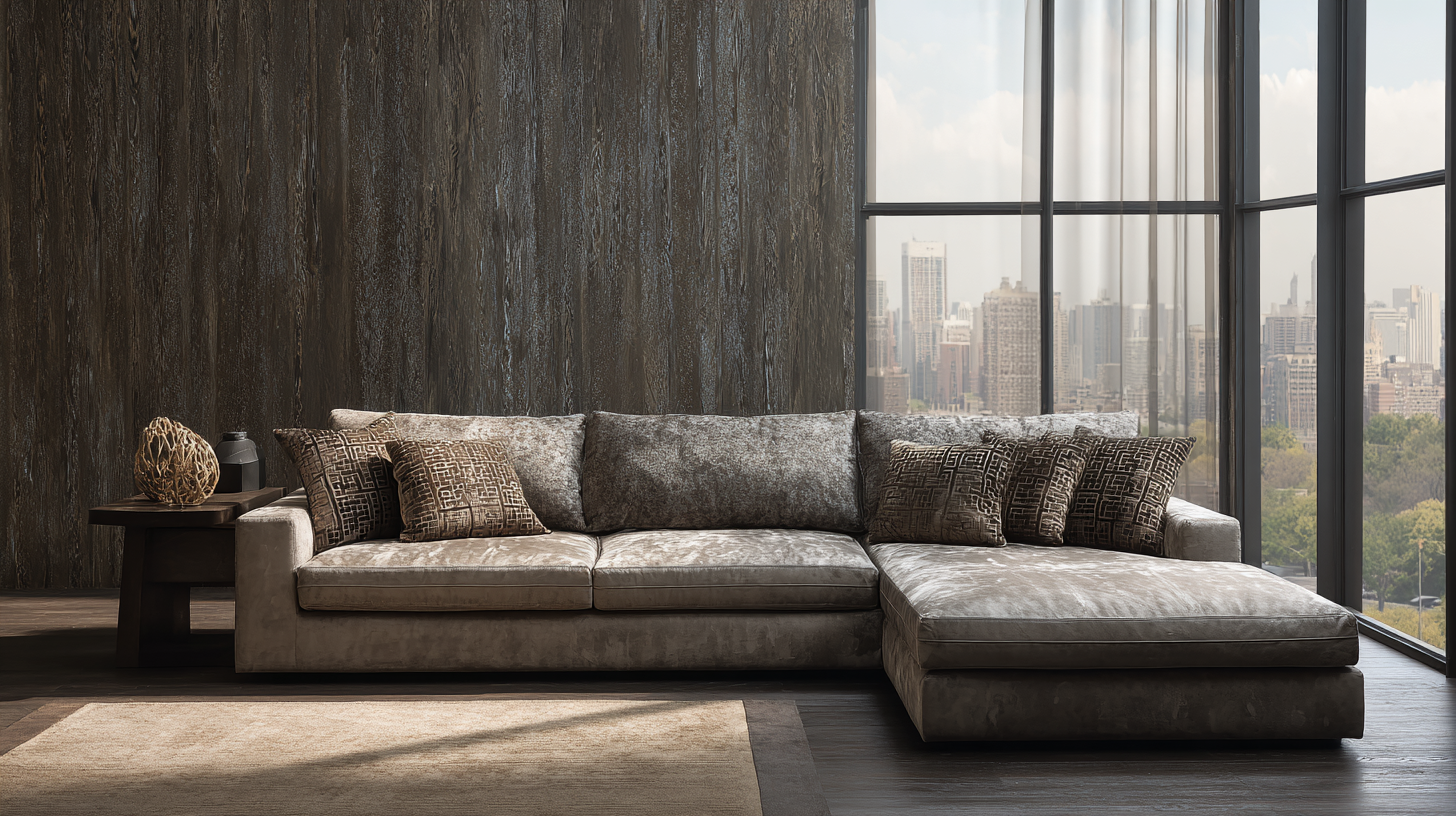
When it comes to choosing the perfect sofa for your living space, understanding the various types of sofas available is crucial. There are numerous styles to consider, including sectionals, loveseats, and sofa beds, each catering to different needs and aesthetics. For instance, sectionals offer flexibility and can fill larger areas effectively, while loveseats are ideal for smaller rooms where space is at a premium. Sofa beds, on the other hand, serve dual purposes, transforming your living area into a guest room when necessary, making them an excellent choice for small apartments.
Recent evaluations of the best sofas for 2025 highlight the importance of durability and versatility in everyday use, particularly for families with children and pets. An extensive real-world testing process has shown that modern materials and designs can withstand wear and tear, while still maintaining style and comfort. According to industry reports, a well-designed sofa can significantly enhance the functionality and aesthetic appeal of your home. Therefore, as you explore options, prioritize sizes and styles that align with your living space to maximize both comfort and design.
Material Matters: Evaluating Fabrics and Durability for Factory Sofas
 When selecting a factory sofa, the choice of fabric is paramount. According to a report by Furniture Today, over 60% of consumers prioritize durability when purchasing upholstered furniture. This is particularly relevant in high-traffic areas of the home where wear and tear are inevitable. Fabrics like microfiber and leather are not only stylish but also offer exceptional resistance to stains and spills, making them ideal for families with children and pets. It is essential to consider the rub count of the fabric, as materials with a higher rub count (over 15,000) tend to withstand everyday use much better than those with lower counts.
Moreover, sustainability is becoming increasingly important in the fabric selection process. A survey by the Sustainable Furnishings Council indicates that around 90% of consumers are now seeking eco-friendly options. Fabrics made from recycled materials or those certified by organizations such as OEKO-TEX can help ensure that your sofa is not only durable but also environmentally responsible. Evaluating the materials used in your factory sofa will not only enhance the longevity of your investment but also align with your values, leading to a more satisfying purchase experience.
Size and Scale: Measuring Your Space for the Perfect Sofa Fit
When it comes to selecting the perfect factory sofa for your living space, understanding size and scale is crucial. A well-measured space ensures that your sofa not only fits comfortably but also enhances the overall aesthetic of the room. Begin by measuring the dimensions of your living area, including doorways and hallways through which the sofa must pass. This will prevent any awkward situations on delivery day when your new sofa can't make it through the door.
Tips: Once you have your measurements, visualize the sofa's size with painter's tape. Mark out the dimensions on the floor to get a concrete sense of how it will fit within your space. Consider the height and width of the sofa in relation to other furniture pieces to maintain a balanced look.
Furthermore, keep in mind that the scale of your chosen sofa should match the proportions of your room. A bulky sofa can overwhelm a small space, while a sleek design can sometimes get lost in a larger area. Tips: Look for a sofa that complements your room's layout, allowing for easy movement and conversation. Opt for light colors or patterns in smaller spaces to create an illusion of airiness and openness.
Color and Aesthetics: Selecting Hues That Harmonize with Your Decor
When selecting the perfect factory sofa for your living space, the color and aesthetic play a vital role in harmonizing with your existing decor. Choosing hues that complement your surroundings can effortlessly elevate the overall ambiance of your home. For instance, if your space features warm tones through wooden furniture or earthy decorations, consider a sofa in rich shades like burgundy or terracotta, which not only enhance warmth but also add a sense of coziness.
Conversely, if your decor leans towards cooler tones, a light blue or soft green sofa can bring a refreshing yet calming effect. Light blues evoke a modern aesthetic that pairs beautifully with both minimalist and coastal-themed interiors, while muted greens can provide a natural touch that resonates with the serenity of nature. Ultimately, integrating these color choices into your living space can transform not just the look of your furniture but also the feel of your home, creating a harmonious and stylish environment that welcomes both you and your guests.
Transform Your Living Space: The Ultimate Guide to Choosing the Perfect Factory Sofa
| Sofa Style |
Color |
Fabric Type |
Recommended Room |
| Sectional |
Navy Blue |
Microfiber |
Living Room |
| Chesterfield |
Emerald Green |
Velvet |
Study |
| Sofa Bed |
Charcoal Gray |
Canvas |
Guest Room |
| Loveseat |
Mustard Yellow |
Linen |
Small Living Room |
| Recliner |
Burgundy |
Leather |
Media Room |
Budgeting Wisely: Navigating Cost Considerations for Your Sofa Purchase
When it comes to purchasing a factory sofa, budgeting wisely is essential due to the increasing costs associated with furniture. Recent data highlights that the average consumer is becoming more cautious with spending, especially amidst rising inflation and economic uncertainty. Understanding the total costs involved not only includes the sofa price but also additional expenses like delivery, warranties, and potential maintenance. Research suggests that people are more inclined to allocate around £56 for a significant purchase, which means planning ahead and setting a clear budget can make a substantial difference.
Tips: Set a realistic budget: Before shopping, determine how much you can spend without disrupting your finances. Include costs such as taxes and delivery fees in your total budget.
To navigate this process, consider using budgeting tools that can help you track your expenses effectively. For example, automated transfers to savings can build a fund for your sofa over time, ensuring you approach your purchase with confidence rather than impulse. Maintaining financial awareness is key; understanding market trends allows for better decision-making, particularly in an era of fluctuating prices and financial literacy becoming more crucial than ever.