Top 10 Hotel Outdoor Seating Ideas for Perfect Guest Comfort?
Creating a welcoming outdoor space is essential for hotels. With the rise of outdoor dining and relaxation areas, hotels must adapt to meet guest expectations. A recent report from the American Hotel and Lodging Educational Institute indicates that 70% of guests prefer establishments with appealing outdoor seating options. This statistic highlights the importance of outdoor environments in enhancing overall guest satisfaction.
Hotel Outdoor Seating can transform an ordinary stay into a remarkable experience. Thoughtful designs can enhance comfort, encourage social interaction, and extend the hotel's operational space. However, creating the perfect outdoor setting is not without challenges. Factors such as climate, local trends, and available space must be considered. Many hotels struggle with finding the right balance between aesthetics and functionality.
Exploring innovative outdoor seating ideas can lead to improved guest comfort and satisfaction. While some hotels excel in their outdoor offerings, others might fall short due to neglect or lack of vision. Careful consideration of layout, materials, and ambiance can elevate an outdoor area significantly. Success in this space requires ongoing assessment and a willingness to adapt based on guest feedback.
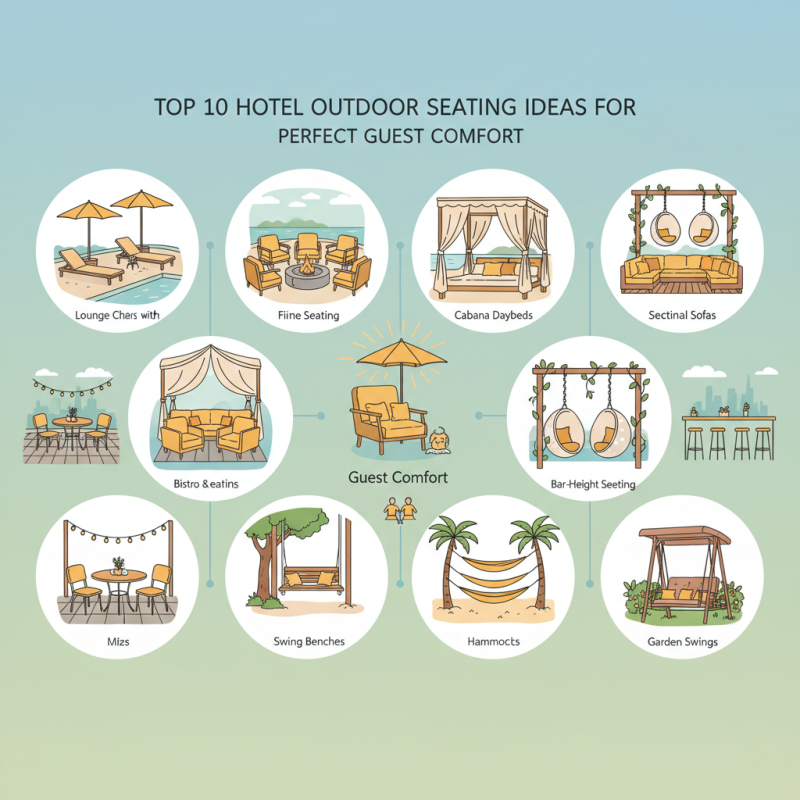
Outdoor Lounge Areas: Creating Comfortable Spaces for Guests
Creating inviting outdoor lounge areas is essential for guest comfort. Thoughtfully designed spaces help guests relax and enjoy their surroundings. Incorporate plush seating options, like oversized chairs or stylish sofas. Opt for weather-resistant materials that maintain their appeal in various conditions. Adding outdoor rugs can enhance warmth and define seating areas, making them more inviting.
When considering lighting, choose soft, ambient options. String lights or lanterns can create a cozy atmosphere in the evening. The subtle glow encourages long conversations and relaxation. Plants can add vibrancy and life. Select greenery that suits the climate, like low-maintenance succulents. They enrich the environment and provide a refreshing feel.
Comfort should also include privacy considerations. Use partitions or trellises adorned with climbing plants. This adds intimacy and a sense of seclusion in busy settings. Regularly assess the comfort level of your outdoor areas. Are guests engaging with the spaces? Invite feedback and observe usage patterns to identify areas needing improvement. Ideally, outdoor lounge areas should foster connection and comfort while still offering a sense of escape.
Cozy Fire Pits: Enhancing Ambiance in Hotel Outdoor Seating
Cozy fire pits can transform hotel outdoor seating areas into inviting havens. A recent industry report shows that 70% of guests prioritize outdoor spaces. Fire pits add warmth and create an escape from the hustle and bustle. They encourage guests to linger, enjoy their surroundings, and connect with others.
Consider the layout of your outdoor seating. Position fire pits at the center of seating arrangements. This setup fosters conversation and engagement. Use comfortable, weather-resistant seating materials. Data indicates that 60% of guests prefer plush seating for extended periods. Thoughtful lighting enhances ambiance too. Dim, soft lights can enhance the fire's glow, creating a magical atmosphere.
Tip: Encourage guests to personalize their experience with blankets available nearby. Simple touches show that you care. Evaluate your outdoor space regularly. Gathering guest feedback can identify flaws. Reflect on what works and what doesn’t. This approach can lead to improvements that keep guests returning for more.
Utilizing Nature: Integrating Landscaping with Seating Arrangements
Integrating landscaping with outdoor seating arrangements can dramatically enhance guest comfort. A recent industry report indicates that 70% of hotel guests prefer spaces that connect them to nature. By incorporating greenery, flower beds, and natural elements into seating areas, hotels can create inviting atmospheres that promote relaxation.
Consider using comfortable seating that complements surrounding landscapes. Chairs and tables made from natural materials can blend seamlessly with gardens. Using soft lighting and water features can create a tranquil ambiance. However, one must reflect on maintenance. Proper upkeep is necessary to ensure that these spaces remain welcoming.
Creating outdoor seating areas isn’t just about aesthetics; it’s also about functionality. Reports show that hotels with well-planned outdoor locales see a 20% increase in customer satisfaction. Yet, the design process may overlook practicalities like shade and weather protection. Balancing beauty with usability can be challenging but rewarding.
Versatile Furniture: Choosing Multi-functional Outdoor Seating Options
Creating welcoming outdoor spaces is essential for hotels. Multi-functional outdoor seating options enhance guest comfort and usage. Selecting versatile furniture can transform a simple patio into a lively social hub. For example, modular seating can adapt to various group sizes. It can be reconfigured for intimate gatherings or larger events.
Incorporating cushions and side tables maximizes comfort and utility. Look for materials that withstand the elements. Durable options ensure longevity and reduce replacement costs. Guests appreciate movable chairs for groups or solo relaxation. However, choosing the right pieces can be challenging. Consider the aesthetics and practical uses. A mismatch can detract from the overall ambiance.
Outdoor areas should invite interaction. Choosing seating that encourages conversation boosts social dynamics. But be mindful of over-cluttered spaces. Too many pieces can confuse guests. Balance is key to creating a harmonious environment. It is a process that takes time and reflection. Regular feedback from guests can guide improvements.
Weather Considerations: Selecting Materials for All Seasons
When selecting outdoor seating materials for hotels, weather considerations should be front and center. A recent report highlights that nearly 60% of guest comfort is tied to the quality and suitability of outdoor furniture. In regions with fluctuating seasons, it’s crucial to choose materials that endure temperature swings. For instance, aluminum is lightweight and rust-resistant, making it ideal for warmer climates, while teak wood offers natural resistance to moisture and can withstand colder winters.
Proper material selection enhances both durability and aesthetics. Popular options like synthetic wicker or PVC-coated fabrics are water-resistant and UV-stabilized. However, they can sweat under high temperatures, leading to discomfort. As per industry experts, outdoor seating should also prioritize comfort with padding that can be removed and stored during inclement weather. It’s important for hotels to consider how aesthetics might sometimes be sacrificed for durability. Finding the right balance is key.
Moreover, creating a cohesive design that harmonizes with the hotel’s architecture is essential. Yet, some establishments overlook the practical implications of color choices. Darker shades may absorb heat, rendering seating too hot during peak sunlight. By strategically selecting colors and materials, hotels can optimize guest experiences year-round, ensuring comfort regardless of weather conditions.
Top 10 Hotel Outdoor Seating Ideas for Perfect Guest Comfort
| Seating Idea | Material | Season Suitability | Comfort Level |
| Wicker Lounge Chairs | Synthetic Wicker | All Seasons | High |
| Aluminum Patio Sets | Powder-Coated Aluminum | All Seasons | Medium |
| Teak Benches | Teak Wood | Spring, Summer, Fall | High |
| Canvas Bean Bags | Water-Resistant Canvas | Summer | Very High |
| Metal Bistro Sets | Galvanized Steel | All Seasons | Medium |
| Outdoor Sectionals | Weather-Resistant Fabric | Spring, Summer, Fall | Very High |
| Folding Chairs | Plastic and Steel | All Seasons | Low |
| Rope Sling Chairs | Marine Rope | Summer, Fall | High |
| Seagrass Sofas | Seagrass and Wood | All Seasons | High |
| Hammocks | Cotton/Polyester Blend | Summer | Very High |