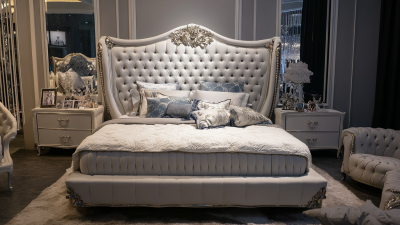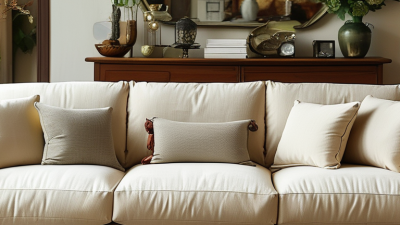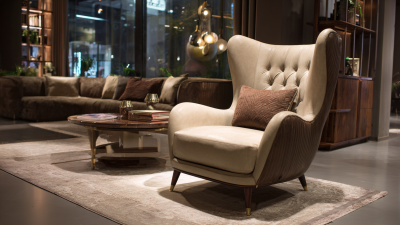
Sourcing Bedroom Sofas in 2026 requires more than choosing attractive upholstery. Buyers must balance comfort, space efficiency, durability, safety, and responsible production. The strongest suppliers can explain every major material, from kiln-dried timber frames to recycled polyester covers. They should also provide updated test reports, production photos, and clear lead-time commitments.
William Morris offered a useful design principle: “Have nothing in your houses that you do not know to be useful, or believe to be beautiful.” His words remain relevant when evaluating compact bedroom furniture. A sofa may look refined in a showroom, yet fail when its seat collapses after repeated use. That uncomfortable possibility deserves attention.
Measure the room carefully. Check sofa depth, arm width, door access, and sleeping clearance. A 190-centimetre model may still overwhelm a narrow bedroom. Ask for foam density, fabric abrasion results, stain resistance, and frame-joint details. Request a physical sample before placing a large order. Digital images hide stitching errors.
Supplier verification should include factory audits, material traceability, packaging standards, and documented labor practices. Certifications can support trust, but they should be checked rather than accepted automatically. No sourcing plan is flawless. Even experienced buyers can overlook color variation between batches or underestimate return costs. That is why trial orders, written specifications, and independent quality inspections matter.
In 2026, the best Bedroom Sofas will combine flexible design with measurable reliability. A washable cover, reversible chaise, or modular frame can extend product value. However, fashionable features should never replace structural testing. Careful sourcing is slower at the beginning. It is usually cheaper than correcting poor quality later.
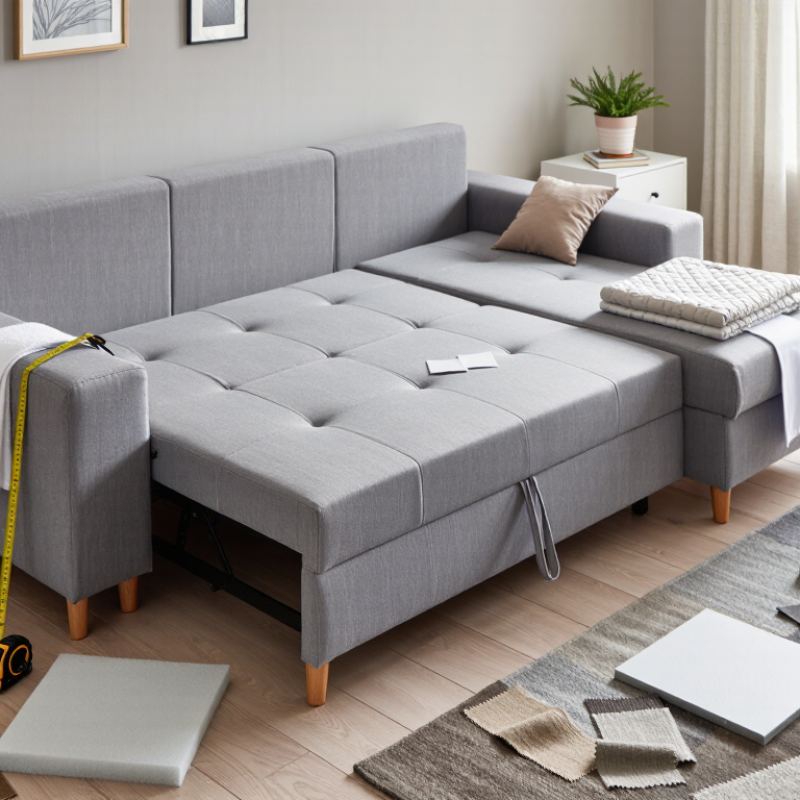
Define the bedroom sofa requirements before contacting suppliers. Measure the wall, doorway, lift, and walking clearance. A compact room may need a sofa under 180 centimeters wide. Leave at least 60 centimeters for comfortable movement. Decide how the sofa will work. Will it support reading, dressing, occasional sleeping, or storing blankets? These uses affect seat depth, back height, and structure. Write the daily user profile clearly. One adult needs different support from a child or older user.
Specify comfort with measurable details. A seat depth near 50 to 58 centimeters often suits relaxed bedroom seating. Request medium-firm cushioning, a stable frame, and tested weight capacity. Ask for fabric samples beside your bedroom flooring and curtains. Light colors show marks quickly. That may become annoying. Check cleaning instructions, abrasion results, fire-safety documents, and material declarations before ordering. Reliable suppliers should provide test reports, production specifications, warranty terms, and realistic lead times. Do not rely on attractive photographs alone.
Set a practical budget with freight, packaging, inspection, and possible customization included. Confirm minimum order quantities and replacement-part support. Request a pre-production sample when dimensions or stitching matter. Measure it again when it arrives. I would also question decorative details that add cost but little comfort. A curved arm may look elegant, yet reduce usable seating space. Small compromises can become daily frustrations. Keep every requirement in a written specification sheet.
Bedroom sofas need more than attractive styling. They must fit tight layouts, support daily sitting, and remain visually calm. Grand View Research valued the global furniture market at US$516.66 billion in 2022. It also forecasts a 5.2% annual growth rate through 2030. This growth increases supplier choice, but quality can vary sharply.
Start with sofa dimensions. Measure the wall, door opening, lift, and walking route. Keep about 75–90 cm of circulation space where possible. A compact two-seater often suits bedrooms better than a deep sectional. Check seat depth, back angle, and arm width. For materials, compare kiln-dried timber, engineered panels, steel components, and certified foam details. Request fabric abrasion results, colorfastness data, and cleaning instructions. Martindale figures help, but they do not replace hands-on comfort testing. Ask suppliers for test evidence aligned with relevant BIFMA seating methods. Do not accept “premium” as a technical specification.
Tips: Sit for ten minutes. Then stand and sit again. Notice pressure behind your knees. Choose medium-firm foam with resilient webbing or springs. Performance fabric can resist stains, but tightly woven natural blends may feel warmer. My early shortlist favored boucle, yet bedroom dust exposed its maintenance weakness. That was a useful mistake. Check removable covers, replacement cushions, odor emissions, and packaging dimensions before approval. Also request material declarations and documented factory quality controls. According to the U.S. EPA, furniture and furnishings generated 12.1 million tons of municipal waste in 2018, so longer service life deserves serious consideration.
Sourcing bedroom sofas in 2026 requires more than comparing unit prices. Grand View Research estimates the global furniture market could grow at about 5% annually through 2030. This growth increases supplier choices, but also raises quality risks. Reliable suppliers should provide factory addresses, material specifications, sample approvals, and recent compliance records. Ask for a cutaway sample. Check the frame, webbing, foam density, and stitching under real light.
Manufacturing options usually include original design manufacturing, contract production, and semi-custom assembly. Original design manufacturing can reduce development time, while contract production offers stronger control over dimensions and fabrics. Semi-custom assembly may suit smaller orders. However, low minimum quantities can hide higher costs. Request a full landed-cost sheet covering packaging, testing, tooling, freight, and defect replacement.
The International Organization for Standardization reports that ISO 9001 supports consistent quality-management processes, but certification cannot replace physical inspection. Use an independent inspection before shipment. Measure seat height, sofa depth, carton strength, and odor after unpacking. For bedroom use, prioritize quiet mechanisms, rounded corners, stain resistance, and flame-performance documentation where required. The OECD Due Diligence Guidance also recommends traceability and supplier risk checks. A factory may pass one audit and still miss deadlines. I have seen polished samples conceal weak inner frames. Build payment stages around verified milestones, not promises.
| Sourcing Option | Best Fit | Indicative MOQ | Typical Production Lead Time | Customization and Production | Key Benefits | Checks Before Ordering |
|---|---|---|---|---|---|---|
| Direct OEM upholstery factory | Buyers with defined specifications, repeat orders, and a need for custom dimensions or materials. | Often around 50–200 pieces per model or fabric configuration; confirm the factory’s actual minimum. | Approximately 30–60 days after sample and specifications are approved. | Can produce to buyer-provided drawings, dimensions, fabric selections, foam requirements, and packaging instructions. | Greater control over product specifications and production; suitable for developing a distinct product range. | Request a pre-production sample, bill of materials, written tolerances, production photos, inspection criteria, and confirmation of who owns the drawings and tooling. |
| ODM or ready-design manufacturer | Buyers seeking established sofa designs with selected changes to fabric, color, legs, or dimensions. | Often around 20–100 pieces per model, depending on the available design and material choices. | Approximately 25–50 days for standard designs; custom changes may add time. | Uses existing designs and production methods; customization is usually limited to approved options. | Can reduce product-development time and make sampling more straightforward than a fully custom project. | Confirm which features can be changed, whether the design is offered to other buyers, fabric availability, and the final product dimensions. |
| Trading company or sourcing agent | Buyers comparing multiple factories or coordinating a mixed product order without managing each factory directly. | Varies by factory and product; a mixed order may have separate minimums for each model or material. | Usually follows the selected factory’s schedule; coordination and consolidated inspections can add time. | May arrange product selection, supplier communication, sampling, order consolidation, and export coordination. | Can simplify communication and sourcing across several product categories or production sites. | Identify the actual manufacturer, clarify service fees and payment terms, verify authorization to represent the factory, and agree who handles defects and after-sales issues. |
| Local upholstery workshop | Small runs, local projects, made-to-measure pieces, or buyers prioritizing nearby production. | Often 1–20 pieces, subject to workshop capacity and material availability. | Approximately 2–8 weeks, depending on workload, design complexity, and fabric supply. | Can tailor dimensions and upholstery to project needs; production is typically more hands-on and less automated. | Lower order quantities, easier in-person review, and potentially shorter domestic delivery distances. | Check structural materials, frame joinery, foam specifications, fabric durability data, workmanship consistency, and the workshop’s capacity for repeat orders. |
| Contract furniture manufacturer | Hospitality, serviced apartments, student housing, and other projects requiring coordinated specifications across multiple units. | Often around 30–100 pieces per specification, but project-based minimums vary. | Approximately 30–70 days after approvals; project scheduling and special testing can affect timing. | May support project drawings, coordinated finishes, labeling, documentation, and repeatable production specifications. | Can be suited to multi-unit projects that require consistent specifications and documented quality controls. | Confirm applicable fire-safety requirements for the destination market, test reports for the exact materials, batch traceability, packing standards, and installation or replacement-part support. |
Planning note: MOQ and production lead-time figures are indicative ranges, not guarantees. Actual terms vary by supplier, design complexity, order quantity, material availability, sample approval, and destination-market requirements. Lead times shown exclude international freight, customs clearance, and final delivery. Request a current written quotation and confirm all specifications before placing an order.
When sourcing bedroom sofas, compare the same specification—not just the quoted unit price. Grand View Research estimated the global furniture market at US$541.52 billion in 2023 and forecast 5.0% annual growth from 2024 to 2030. That broad market figure is not sofa-specific, but it signals a crowded supply base. Details matter. Request frame material, foam density, fabric abrasion results, seam strength, and packaged dimensions on one spec sheet. Ask for laboratory reports and check whether their test methods match your intended use; ANSI/BIFMA X5.4 covers lounge seating, but does not certify every sofa automatically.
Compare landed cost, including sample charges, packaging, freight, duties, and replacement parts. A low factory price can hide thin cushions or costly oversized cartons. Ask suppliers to quote identical fabric grades and foam specifications. Then compare minimum order quantities by style, color, and fabric. Confirm whether mixed-color orders count toward the same MOQ. Get lead times, payment milestones, defect remedies, and spare-cover availability in writing. A small trial order may cost more per unit, yet reveal stitching, cushion recovery, and carton damage before a larger commitment.
For certification, request the exact certificate scope and current test documents. Textile chemical testing and timber chain-of-custody records address different risks; neither proves overall sofa durability. Verify the issuing laboratory and product details, not just a logo on a PDF. A supplier’s sample may also differ from mass production. That gap deserves scrutiny. Build an inspection checkpoint into the order, and record approved fabric swatches, cushion feel, and seam finish.
Sourcing bedroom sofas in 2026 requires more than comparing online prices. I request a full-size sample before approving production. I measure the frame, seat depth, arm height, and sleeping surface twice. Small errors can make a sofa uncomfortable in a compact bedroom. I also inspect stitching, zipper strength, foam recovery, and frame joints. A 24-hour seating test often reveals problems that product photos hide. Fabric should include abrasion results, cleaning instructions, and colorfastness information. Ask for material records, not vague promises.
Contracts should describe every measurable detail. Include approved dimensions, fabric codes, foam specifications, packaging standards, and acceptable tolerances. Payment milestones should match sample approval and inspection results. I also require written procedures for damaged cartons, missing parts, and failed quality checks. One sample once looked excellent, but its seam shifted after repeated use. I should have tested the moving mechanism earlier. That mistake still influences my inspection checklist.
Delivery planning needs realistic dates, not optimistic guesses. Build time for production, inspection, inland transport, port handling, and customs clearance. Add a buffer for holiday congestion and weather disruptions. Request weekly updates with photographs, carton counts, and revised departure dates. Confirm whether the shipment uses flat-pack or assembled packaging. Flat packs may reduce freight volume, but they can increase assembly risks. A trial shipment can expose weak cartons before a larger order leaves the factory. Keep written records of every change. Verbal assurances are easy to misunderstand.