2026 How to Choose the Best Leather Sofas for Your Home?
When considering furniture for your living space, choosing the right sofas leather is crucial. Renowned furniture expert Mark Johnson once stated, "A leather sofa can transform your home’s atmosphere." This resonates with many people looking for elegance and comfort. Leather sofas can add sophistication and an inviting feel to any room.
However, selecting the perfect leather sofa is not straightforward. There are numerous styles, colors, and textures available. Each choice can significantly impact your home’s overall aesthetic. The quality of the leather is essential, but so is the sofa’s design and durability. Sometimes, a sofa looks beautiful but lacks comfort. It’s vital to assess both aspects before making a purchase.
You may find a sofa that captures your heart but fails to match your living area. Think about your space and what it requires. The best sofas leather should complement your decor while offering practicality. Reflect on your choices. The perfect sofa should not only look good but feel good and serve your needs.

Understanding Different Types of Leather Used in Sofas
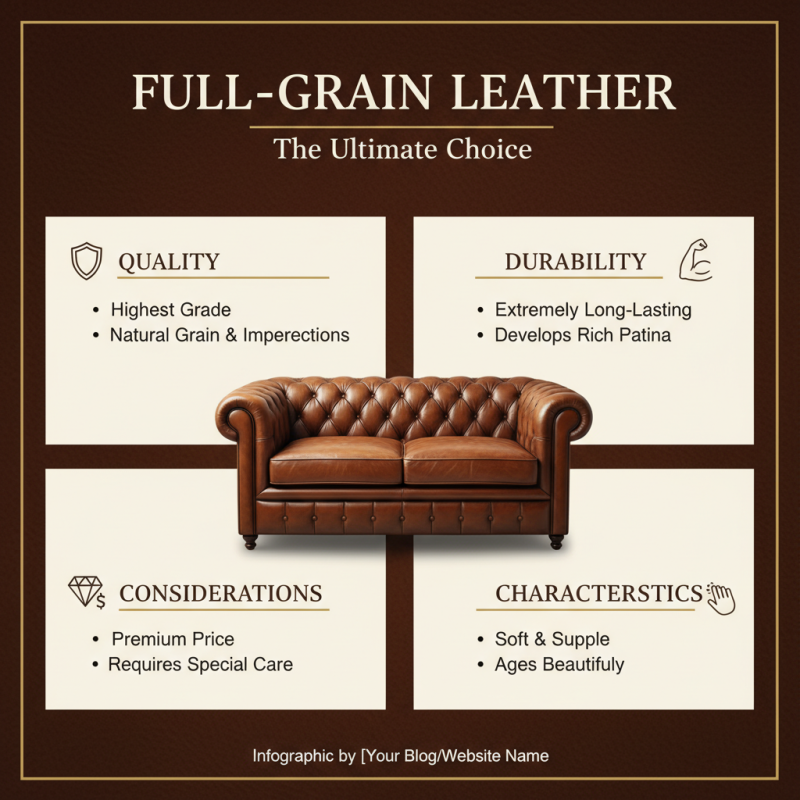
When choosing a leather sofa, understanding the types of leather is crucial. There are various options available, each with its unique characteristics. For instance, full-grain leather is the highest quality. It retains the natural grain and imperfections. This type of leather is durable and develops a rich patina over time. However, it can be expensive and may require special care.
Split leather, on the other hand, is more affordable. It is made from the lower layers of hide. While it lacks the luxury of full-grain, it is still sturdy. It often has a suede-like finish, which can be appealing to some. However, it is more susceptible to wear and tear. Consider how much use your sofa will get before making a decision.
Another option is bonded leather, which is made from leather scraps glued together. It offers a leather-like appearance at a lower price. However, its durability is questionable. It may peel and crack with time. Reflecting on your lifestyle will help you select the right type of leather that fits your home’s needs.
Evaluating Sofa Styles: Modern, Traditional, and Contemporary Designs
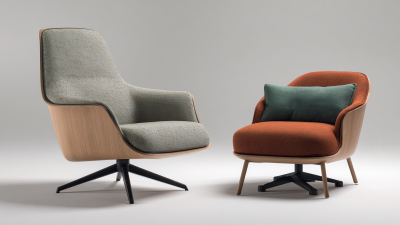
When choosing the best leather sofas, style matters greatly. Modern designs often feature sleek lines and minimalist aesthetics. They suit contemporary homes well. Vibrant colors and subtle textures make a statement. However, they can sometimes appear cold or uninviting.
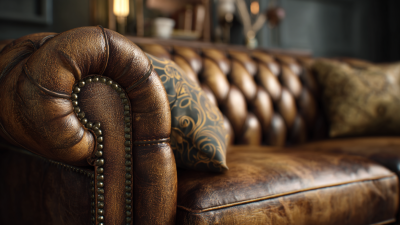
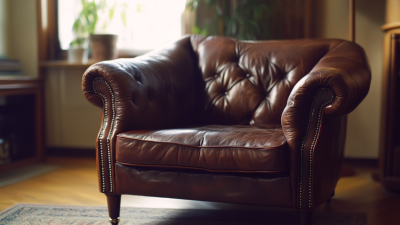
Traditional styles bring warmth and elegance. Rich, dark leathers paired with classic silhouettes evoke timeless charm. These sofas often come with intricate details like tufted cushions and rolled arms. They create a cozy atmosphere but may not suit every room's vibe. Blending old with new can be tricky; be careful not to overwhelm your space.
Contemporary designs are a mix of both worlds. They incorporate innovative ideas while maintaining comfort. Think about sectional configurations or modular pieces that adapt to your space. A challenge with contemporary sofas is ensuring durability alongside trends. Materials and styles evolve quickly, and this constant change may lead to buyer's remorse. Balancing personal style with practicality is essential for a satisfying purchase.
Key Factors to Consider for Leather Sofa Comfort and Durability
Choosing the right leather sofa involves understanding comfort and durability. Reports show that high-quality leather sofas can last over 25 years. To ensure your investment pays off, consider the type of leather used.
Full-grain leather is the most durable, while corrected-grain leather is often less expensive but also less robust.
Tip: Always check the thickness of the leather. Sofas with thicker hides are generally sturdier. Comfort is subjective; you should sit and feel the sofa. A sofa may look beautiful but can feel uncomfortable over long periods. Pay attention to seat depth, height, and cushion firmness.
Also, the frame matters. Sofas made with hardwood frames tend to last longer than those with particleboard. Many consumers overlook this aspect. You may face a trade-off between style and comfort. It’s crucial to find a balance. What looks elegant may not always be practical.
Tip: Test various seating positions. You want a sofa that adapts to your needs, not just one that fits your living room's aesthetic.
Budgeting for Leather Sofas: Cost vs. Quality Analysis
When budgeting for leather sofas, understanding the cost versus quality is crucial. High-quality leather can be expensive, but it offers longevity and comfort. A cheaper option may seem appealing at first, yet it often wears out quickly and may not age well. Consider the type of leather used. Full-grain leather, for instance, is more durable but costs more.
Assess your needs realistically. How many people will use the sofa? If it’s for a busy family space, investing in a sturdy piece makes sense. However, if it's rarely used, you might opt for a less costly sofa. Shadows of regret linger after purchasing cheaper materials that don’t last.
Think about maintenance costs, too. Some leathers require specific cleaning products, while others are easy to maintain. A more affordable sofa might require more repairs and cleaning supplies over time. Keep these factors in mind as you decide between price and quality. Balancing your budget with the right choices will lead to a more satisfying purchase.
Maintenance Tips for Keeping Leather Sofas Looking New
Leather sofas can elevate any living space, but they require proper care. Regular maintenance is crucial for preserving their appearance. According to a recent industry report, up to 80% of leather damage results from neglect. Cleaning and conditioning should be done every six months. This simple routine can significantly enhance the lifespan of your sofa.
Dust and dirt can build up, leading to scratches. Use a soft cloth to gently wipe surfaces. For deeper cleaning, a leather cleaner is recommended. Always test in an inconspicuous area first. Additionally, avoid direct sunlight to prevent discoloration. Sun exposure can dry out the leather, causing cracks. Remember, not all cleaning products are safe for leather.
Conditioning is equally important. A quality leather conditioner replenishes oils. It keeps the material supple and vibrant. However, over-conditioning can cause a greasy feel. Striking the right balance requires observation and adjustment. Keep an eye on your sofa's appearance. Regular checks can prevent small issues from becoming major problems.