How to Choose Lead Stained Glass Windows?
Choosing Lead Stained Glass Windows is not only a color decision. It is a choice about light, structure, upkeep, and how a room feels at different hours. A small amber panel can warm a north-facing hallway; a dense blue design may make the same space feel quieter, even dimmer. Details matter.
For practical guidance, consult the U.S. National Park Service’s Preservation Brief 33, The Preservation and Repair of Historic Stained and Leaded Glass. It explains how to assess historic windows and why their glass, lead cames, solder joints, and supporting frames must be considered together. The guidance is especially useful when choosing replacement work for an older building. A window can look sound from the street and still need close inspection.
Louis Comfort Tiffany, the American glass artist and designer, wrote, “I have always striven to fix beauty in wood, stone, glass or pottery, in oil or watercolor, by using whatever seemed fittest for the expression of beauty.” That principle offers a useful starting point: choose the design and materials for the building, not just for a photograph. Ask about glass type, lead profile, panel dimensions, installation method, and maintenance expectations. Request samples, then view them in the actual room. Colors can shift.
There is no single specification that suits every opening. Historic character, privacy, daylight, and budget may pull in different directions. That tension deserves a second look. The sections ahead outline how to compare craftsmanship, design, durability, and supplier claims before making a confident choice.
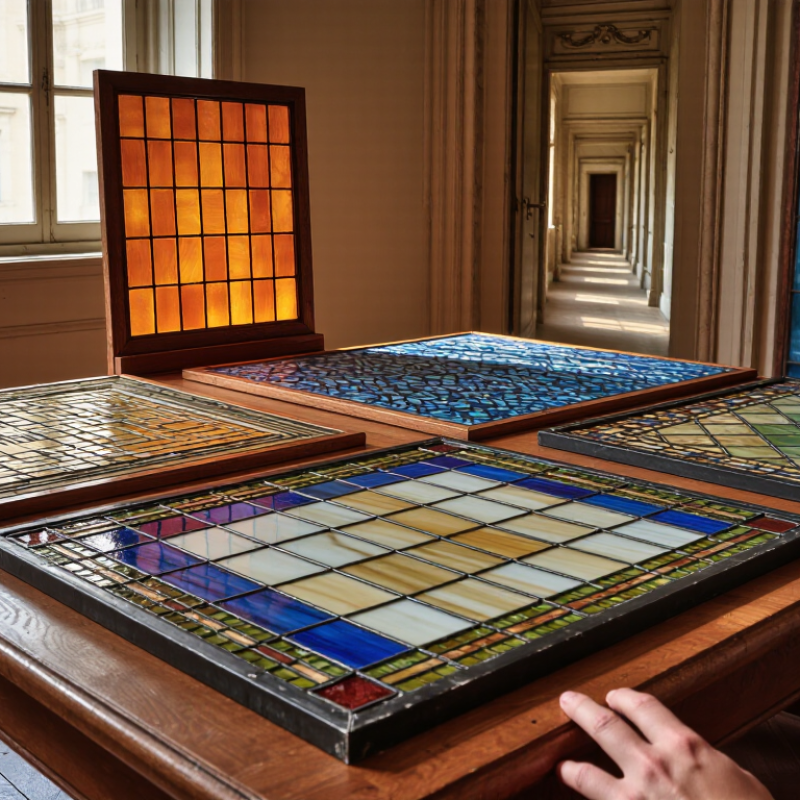
Identify the Purpose and Location of the Window
Before choosing a lead stained glass window, decide what the room needs from it. A kitchen window may need to admit soft morning light while keeping neighboring views out. A bathroom usually calls for stronger privacy, especially at eye level. In a stairwell, a tall panel can spread colored light without taking up useful wall space. Small detail: check where sunlight falls. Direct afternoon sun can make bright colors feel intense.
The opening’s location also affects the design and installation. Measure the visible glass area, wall depth, and nearby trim, then note whether the window faces rain, wind, or strong sun. Leaded glass is often fitted within a separate frame or protected by exterior glazing; a qualified glazier can assess what the existing opening requires. For doors or low windows, ask about safety glazing and suitable support. A beautiful pattern is not enough if the panel blocks a latch, crowds a handle, or makes the room too dark. I might be giving the practical details too much weight, but they are easy to overlook. Bring photos of the room and a simple sketch of the opening when discussing options with an experienced installer.
Compare Stained Glass Styles, Colors, and Patterns
A leaded stained-glass window changes a room through both its design and the light passing through it. Traditional floral styles soften a space, while geometric patterns create clearer lines and a more formal look. Abstract designs allow greater freedom, but can feel busy when viewed beside patterned wallpaper or detailed furniture. Think about the room’s architecture, not only the glass sample.
Color deserves a close look in natural light. Deep reds and blues can create rich accents, yet may reduce the brightness of a small room. Pale greens, amber, and clear textured glass usually admit more light. Ask to view samples near the intended window at different times of day. A color that looks gentle indoors can appear surprisingly strong against a bright sky.
Pattern scale matters, too. Small repeated shapes suit narrow panels, while broad motifs often read better in larger openings. Lead lines define each piece of glass, so dense patterns can look heavier from across the room. For privacy, textured or lightly colored glass may obscure details without making the space feel closed in. A sample is useful, but it cannot fully reproduce changing daylight; that limitation is easy to overlook.
Assess Glass Quality, Leadwork, and Structural Safety
How to Choose Lead Stained Glass Windows?
Assess the glass in both daylight and softer indoor light. Look for cracks, loose painted details, cloudy patches, and sharp differences in thickness. A slight ripple can be part of handmade glass, not a defect. Small clues matter. Ask how the window looks from both sides, since reflections can hide flaws. If possible, view a sample near the window’s intended location; colors can shift noticeably in direct sun.
Examine the lead came, the metal strips joining each piece of glass. They should follow the design without obvious gaps, kinks, or sagging. Check solder joints for cracks and look for loose or missing putty along the glass edges. A bowed panel or a section that rattles deserves closer inspection. Surface checks have limits: they cannot show every weakened joint, and a neat repair may conceal earlier movement. Ask about repair history rather than assuming the panel is original or untouched.
Structural safety depends on more than the glass itself. Consider the panel’s size, weight, frame, and exposure to wind or repeated door movement. Support bars and sound anchoring help prevent stress from concentrating in one area. Moisture around the frame can also damage surrounding materials. Have an experienced stained-glass professional assess large, sagging, or cracked panels before installation. I would not treat a quick visual check as proof of safety.
How to Choose Lead Stained Glass Windows?
Common sheet-glass thicknesses include approximately 2, 3, 4, and 6 mm. These are examples, not a safety rating: confirm the glass specification and have the leadwork, panel support, and surrounding frame assessed for the window’s size and installation.
Measure the Opening and Check Installation Requirements
Measure the opening at the top, middle, and bottom, recording each width and height. Use the smallest measurements, then check both diagonals for signs of a racked frame. Small differences matter. Measure the glazing pocket too: the visible opening is not the space available for the panel. Note the frame material, depth, and any stops or hardware that could obstruct installation. Do not assume a standard deduction will fit every opening; the required clearance depends on the mounting method. A paper or cardboard template can reveal awkward corners before the glass is ordered.
Check the frame’s condition and how the stained glass will be supported. Leaded panels need secure, even support; a loose sash or brittle glazing compound may need attention first. Ask the installer whether the panel will sit alone or within a protective glazing system, and confirm how drainage and condensation will be managed. The U.S. Department of Energy’s Energy Saver guidance estimates that windows account for about 25–30% of residential heating and cooling energy use. That makes fit and sealing worth checking, though decorative glass alone does not guarantee better efficiency. For insulated assemblies, compare the U-factor and solar heat gain coefficient (SHGC) listed in National Fenestration Rating Council performance data. Recheck the measurements after repairs. It feels repetitive, but repairs can change the opening.
Compare Costs, Craftsmanship, and Long-Term Maintenance
When comparing lead stained glass windows, ask for an itemized quote covering design, glass type, lead came, installation, and any protective glazing. Hand-cut pieces and carefully soldered joints take skilled labor, so a low price may reflect simpler detailing or less repair work. Small details matter. Ask to see close-up photographs of completed panels, and check whether the maker documents glass condition and came thickness. The National Park Service’s Preservation Brief 33 recommends assessing historic stained glass before repair, rather than replacing sound material unnecessarily.
Maintenance affects the real cost. Inspect panels yearly for loose putty, cracked glass, bowed sections, or gaps around the frame; repairs are easier before movement worsens. The U.S. Department of Energy estimates that windows account for about 25–30% of residential heating and cooling energy use. That figure covers all windows, not stained glass alone, but it makes drafts worth checking. A properly designed protective glazing system may help reduce air leakage while shielding the artwork; compare ventilation details and cleaning access, not just the quoted price. I would still question any promise of “maintenance-free” glass. Lead and surrounding frames age, and local weather changes the workload.