How to Choose Velvet Chenille Fabric for Your Projects?
Choosing the right fabric for your projects can alter the overall aesthetic and feel. Velvet Chenille Fabric stands out due to its soft texture and rich colors. According to the Fabric Institute, this fabric category has seen a market growth of over 8% in recent years. The demand is driven by consumers seeking quality and luxury in their home decor.
Expert designer Sarah Mitchell, who has over two decades of experience in textile selection, notes, "Velvet Chenille offers a perfect blend of comfort and style." This statement reflects the growing popularity of this fabric in fashion and interior design. However, choosing the right Velvet Chenille can be tricky. Different blends and quality levels exist, impacting durability and luster.
Many people assume all Velvet Chenille is the same, but that’s misleading. High-quality fabric can withstand wear and tear, while cheaper options can quickly deteriorate. It’s essential to evaluate the fiber content and weave structure. Understanding these details can lead to better selections for any project.
Understanding Velvet Chenille Fabric: Properties and Characteristics
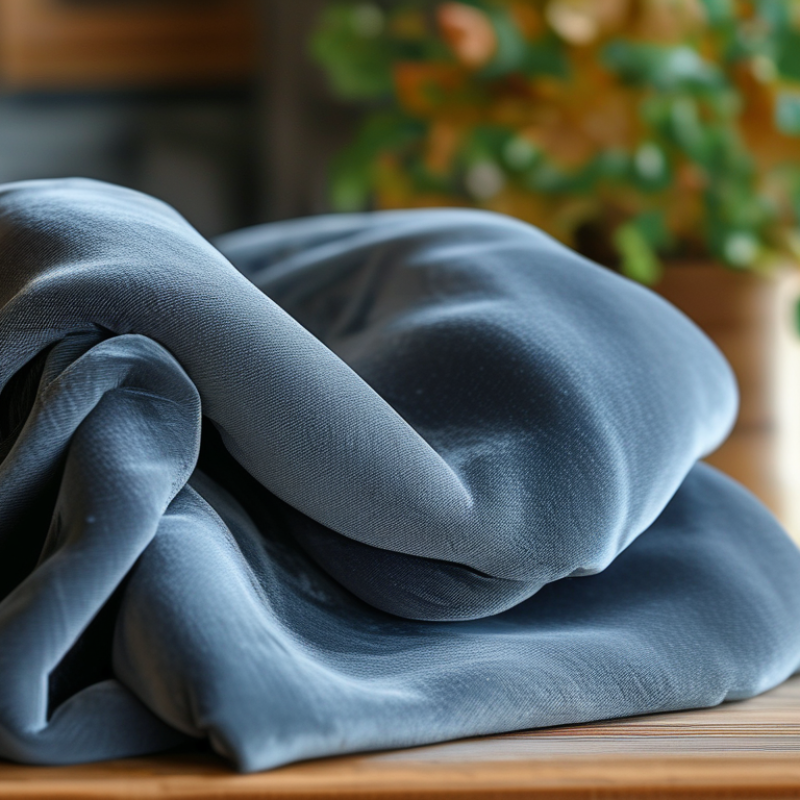
Velvet chenille fabric is renowned for its unique texture and aesthetic appeal. This fabric combines the softness of velvet with the durability of chenille. The result is a luxurious material ideal for upholstery, drapery, and crafting decorative items. Its rich pile offers a tactile experience that enhances any project. The fabric is available in various colors, adding versatility to your design choices.
Understanding its properties is critical when making selections. Velvet chenille is usually quite durable but may require special cleaning. This can be a challenge for some projects. The fabric can show wear over time but offers an elegant look that can transform spaces. Additionally, it has a slight sheen that catches light beautifully, creating a dynamic visual effect.
However, consider your project's specific needs. Velvet chenille may not be suitable for high-traffic areas. It’s essential to weigh durability against the desired visual impact. While the fabric is luxurious, its care requirements may lead to frustration. Be sure to reflect on your commitment to maintaining the beauty of this material.
How to Choose Velvet Chenille Fabric for Your Projects?
| Property | Description |
| Texture | Soft and plush with a luxurious feel. |
| Durability | Long-lasting and resistant to wear and tear. |
| Color Retention | Holds dye well, maintaining vibrant colors over time. |
| Care Instructions | Usually machine washable on a gentle cycle; check specific care guidelines. |
| Uses | Ideal for upholstery, drapery, and various home decor projects. |
| Comfort | Provides warmth and comfort, perfect for cozy environments. |
| Weight | Medium to heavy weight, ensuring structure and support for projects. |
Evaluating Fabric Weight: Choosing the Right Thickness for Your Project
Choosing the right fabric thickness is crucial for your velvet chenille projects. Fabric weight can significantly impact the final look and functionality. When evaluating fabric weight, consider how the thickness may affect your project’s structure. Lighter fabrics drape more fluidly, while heavier options provide a more substantial feel.
A 200-300 GSM fabric, for example, is versatile. It suits various applications, like upholstery and clothing. However, be cautious—if too light, it can lead to issues like poor durability. On the other hand, fabrics above 400 GSM can be quite heavy. They work well for structured items but may be cumbersome for delicate designs.
Don’t forget the texture. Velvet chenille has a unique softness due to its pile. This can add visual interest, but it also requires careful handling. If you’re aiming for a refined look, a thicker option might be tempting. However, remember that heavier fabrics can sometimes overwhelm finer details. Reflect on how the thickness aligns with your project goals and aesthetic preferences.
Fabric Weight Comparison for Velvet Chenille
Color Options and Patterns: Making Aesthetic Choices in Chenille
When selecting velvet chenille fabric for your projects, color and pattern play crucial roles. The right hues can elevate your design, making your pieces stand out. Consider deeper shades such as emerald or navy for a rich appearance. Lighter pastels can also offer an elegant touch. Testing different colors in natural light helps understand how each will look in your space. Vibrant colors often communicate energy, while muted tones may evoke calmness.
Patterns can add a new dimension to your fabric choice. Floral designs can bring a sense of nature indoors. Geometric prints offer a trendy, modern flair. However, mixing bold patterns can sometimes clash. Aim for balance. A solid background can ground a busy design. Remember, experimenting with swatches is essential. You may find unexpected combinations that resonate with you.
Ultimately, your choices should reflect your personal style and project goals. Chenille allows for creativity but requires careful thought. Each decision impacts the final outcome, so take the time to choose wisely. Don't hesitate to rethink your selections; design is often an evolving process. Choose colors and patterns that speak to you, but remain open to change.
Durability and Maintenance: Assessing the Longevity of Velvet Chenille
When considering the durability of velvet chenille fabric, there are key factors to evaluate. The weave and fiber content heavily influence its longevity. High-quality chenille can resist wear better than lower-grade options. Look for a fabric with a tight weave and a rich texture that can hold up over time.
Maintenance also plays a crucial role in preserving the fabric's beauty. Cleaning velvet chenille often involves specific techniques. Gently vacuuming can remove dust without damaging the fibers. For spills, immediate blotting with a clean cloth can prevent stains. However, many people underestimate the importance of professional cleaning for deep-seated dirt.
It's essential to acknowledge that not all velvet chenille items will be equally resilient. Some may flatten or show signs of wear quickly. Understanding the specific use of your project is vital. Will it face heavy traffic, or is it for decorative purposes? Being realistic about functionality is key to making the right choice.
Cost Considerations: Budgeting for High-Quality Chenille Fabrics
When budgeting for high-quality velvet chenille fabrics, it’s essential to understand the cost variations. Recent industry reports indicate that premium chenille fabrics can range from $15 to over $50 per yard, depending on factors like fiber content and weave quality. These prices can reflect the durability and softness of the fabric, which are crucial for projects that require longevity.
However, spending more doesn’t always guarantee the best results. Some consumers may find they have invested in expensive options that do not perform as expected in real-world applications. It's wise to sample a variety of fabrics within your budget before committing. Surveys show that 30% of crafters regret their fabric choices due to inadequate testing. Balancing cost and quality can be tricky, but it is vital for achieving satisfactory outcomes.
Additionally, be mindful of hidden costs associated with premium fabrics. For instance, specialized cleaning or maintenance may be necessary. These expenses can add up, making a seemingly affordable fabric much pricier over time. Understanding these nuances will enhance your overall investment and ensure your projects meet your creative expectations.