How to Choose the Best Storage Container at Canton Fair 2026?
The Canton Fair 2026 presents a unique opportunity for buyers to explore the best Storage Container options available. This year, the fair emphasizes advanced manufacturing, home improvement, and quality home products. According to market reports, the global storage container market is projected to grow significantly, reaching over $12 billion by 2026. Such growth highlights the demand for efficient, reliable storage solutions.
With the introduction of AI-driven search and smart navigation features at the fair, buyers can easily find suppliers that meet specific qualifications, like ISO and CE certifications. This technology promises to enhance the shopping experience, significantly improving efficiency over the expansive 1.55 million square meters of exhibition space. However, despite these advancements, buyers must remain vigilant. Not every supplier will meet their needs perfectly.
Engaging in a diligent selection process is crucial. Evaluating the materials, sizes, and uses of various storage containers is necessary. Exploring options in person provides insights that online searches simply cannot offer. As the market evolves, reflection on the qualities that define an ideal storage solution is essential.
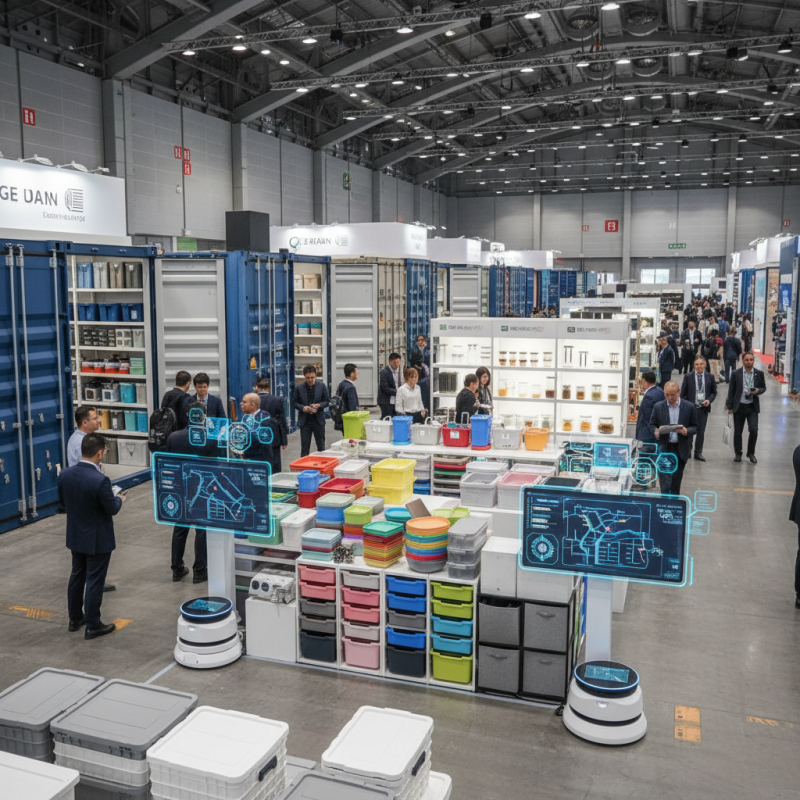
Factors to Consider When Selecting Storage Containers
When choosing the best storage container at the Canton Fair 2026, consider several key factors. The material of the container is paramount. For instance, high-density polyethylene (HDPE) is often favored for its durability and resistance to chemicals. According to industry reports, containers made from HDPE have a lifespan of over 10 years in outdoor conditions, making them a reliable choice for long-term storage.
Size and capacity also matter. Think about what you intend to store. Whether it's tools, clothing, or food supplies, knowing the dimensions can save you time and money. Many attendees report misjudging sizes at expos. This miscalculation can lead to purchasing ineffective containers. Keep in mind that a container that is too small will require replacements, resulting in wasted resources.
Tip: Always ask about the weight limits of the containers. Load strength can vary significantly. In addition, consider stackability. Some containers allow safe stacking, which can optimize storage space. A report from the Storage Solutions Association highlighted that proper stacking can increase storage efficiency by up to 30%. This insight could prevent overcrowding and enhance organization in your storage space.
Different Types of Storage Containers Available at Canton Fair
When attending the Canton Fair, understanding the types of storage containers available is crucial. Options range from plastic bins to metal storage units. Each type serves different needs, catering to various industries from shipping to personal use.
Plastic containers are lightweight and versatile. They come in various sizes and colors. Many offer secure lids and stacking capabilities. Metal containers are robust and ideal for heavy-duty use, often found in industrial settings. Wood containers provide a classic option but may require more maintenance.
**Tip:** Assess your needs before choosing a container. Think about what you plan to store and the environment it will be in. For instance, some materials resist moisture better than others.
Reports indicate a growing demand for eco-friendly containers. Consumers are increasingly interested in sustainable materials. This trend is reflective of broader shifts towards environmental consciousness in many industries. Be mindful of these changes when selecting containers at the fair.
**Tip:** Don't rush your decision. Take the time to compare options. Consider future storage needs; will your requirements change? Investing the time now could prevent issues later.
Storage Container Types and Popularity at Canton Fair 2026
Evaluating the Quality and Durability of Storage Containers
When evaluating the quality of storage containers, material matters. Most containers are made from plastic, metal, or wood. Each material has unique benefits and drawbacks. For example, plastic containers are lightweight and often cheaper. However, they can be less durable compared to metal or wood. Reports show that plastic can degrade under UV light, affecting longevity.
Durability tests indicate that metal containers typically offer superior strength. They resist dents and are often waterproof. Yet, they can be heavier and more expensive. According to a study by the International Organization for Standardization, metal containers have a lifespan averaging over ten years with proper care. This makes them a solid long-term investment.
Yet, consumers sometimes overlook design features. Airtight seals and stackable options can enhance functionality. A container that organizes well can make a significant difference. Quality hinges and latches should not be ignored. Quality assurance protocols often include stress testing for these components. A review might suggest aiming for containers that have passed rigorous testing. It's crucial to find balance. Price, material, and functionality all must align with your needs. Reflecting on your priorities helps in making the best choice stand out amid selections.
Understanding Pricing and Budgeting for Storage Solutions
When attending the Canton Fair 2026 and searching for storage containers, understanding pricing is crucial. Different materials and sizes can significantly impact costs. For instance, plastic containers tend to be cheaper than metal ones. Consider your specific needs and how much you are willing to spend. Pricing can fluctuate, so do thorough research.
Tips: Look for deals and bulk discounts. You can negotiate prices with vendors directly. Don’t hesitate to ask about bestsellers or alternative options. Sometimes, retailers provide lower-priced alternatives that might suit your needs.
Budgeting is equally important. Identify your maximum budget before diving into the options. Create a list of essential features your storage containers should have. This intentionality will prevent impulse purchases. Visualize how each container will fit your planned space.
Tips: Track your expenses as you shop. Compare similar products to avoid overspending. Reflect on your choices regularly. Not every decision will lead to the best outcomes, but that’s part of the learning process.
Tips for Negotiating with Suppliers at Canton Fair
Negotiating with suppliers at the Canton Fair can be both exciting and daunting. To make the most of the experience, preparation is key. Research potential suppliers in advance. Understand their product offerings and pricing. This will give you leverage during discussions.
When you approach a supplier, start with a friendly tone. Build rapport by asking about their products or company. Use open-ended questions to engage them in conversation. This can lead to a more comfortable negotiation atmosphere. Listen carefully to their responses. It helps to take notes, as details can matter later.
Be clear about your needs and budget. Highlight areas where you are flexible. Maybe you want a specific design but can adjust the materials. Suppliers appreciate when you are straightforward. Assess their willingness to negotiate. Don't hesitate to walk away if the deal does not meet your expectations. Sometimes, this can lead to better offers.