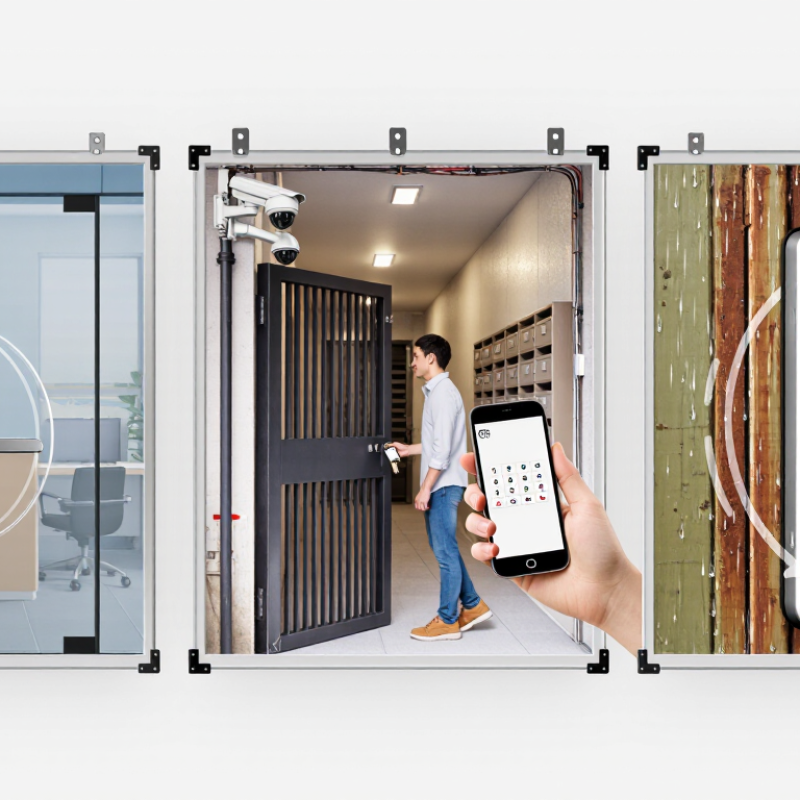
| Bluetooth Retrofit Lock | Bluetooth Low Energy; usually connects directly to a nearby phone or optional bridge | Approximately $80–$180 | High for local use
Operates without home Wi-Fi when the user is nearby. Remote operation normally requires an additional bridge. | Generally strong
Local Bluetooth control can reduce cloud dependence, but app permissions, account security, and phone storage still matter. | Usually limited without an optional internet bridge | Typically several months to about one year, depending on lock activity, temperature, and battery type | Possible bridge purchase, batteries, app or cloud subscription if remote features are added | Renters and homeowners who want to keep the existing exterior hardware and mainly use local phone access |
| Wi-Fi-Connected Smart Lock | Direct Wi-Fi connection or Wi-Fi through an included adapter | Approximately $150–$350 | Medium to high
Remote access depends on wireless coverage, internet service, server availability, and firmware support. | Moderate
Internet-connected operation may involve account data, access logs, device identifiers, and cloud processing. | Usually available from anywhere with an internet connection | Often shorter than Bluetooth-only models because Wi-Fi uses more power; commonly several weeks to several months | Higher battery replacement frequency, possible cloud subscription, and potential replacement cost if software support ends | Homes that need convenient remote unlocking, delivery access, or activity notifications without a separate hub |
| Hub-Based Zigbee or Z-Wave Lock | Zigbee or Z-Wave to a compatible local hub; the hub may use Ethernet or Wi-Fi | Approximately $150–$350 for the lock; hub may cost an additional $50–$200 | High when correctly configured
Mesh networking can improve range and resilience, while local hub control may continue during an internet outage. | Potentially strong
Local processing is possible, but privacy depends on the hub, mobile app, integrations, and optional cloud services. | Available when the hub is connected to the internet; local control can remain available during some outages | Commonly several months to more than one year, depending on radio protocol, usage, and battery chemistry | Hub purchase, maintenance, batteries, integration costs, and possible subscription fees | Smart homes that already use a compatible hub and require automation, local control, or multi-device integration |
| Keypad Lock with Optional Wireless Features | PIN keypad with Bluetooth, Wi-Fi, or a separate gateway depending on the model | Approximately $100–$300 | High for basic entry
PIN access can continue even when a phone is unavailable; electronic operation still requires battery power. | Moderate to strong
It can avoid sharing physical keys, but PINs, event histories, and user accounts should be managed securely. | Optional; depends on wireless hardware or a gateway | Commonly several months to about one year; frequent motor operation can reduce battery life | Batteries, optional gateway, replacement keypads, and possible software or monitoring fees | Families, short-term access, service personnel, and users who want phone-free entry |
| Commercial Wireless Access-Control Lock | Encrypted wireless protocol, controller, access gateway, or enterprise network | Approximately $300–$1,000+ per door before installation | High when professionally installed
Designed for audit trails, managed credentials, maintenance procedures, and higher usage levels. | Policy-dependent
Centralized logs improve accountability but create more sensitive access data that must be retained and protected. | Usually available through an access-management platform | Often several months to multiple years, depending on reader type, lock design, traffic, and power configuration | Installation, controller or gateway hardware, credential management, service contracts, batteries, and software licensing | Offices, rental properties, healthcare facilities, and buildings requiring user-level permissions and audit records |
| Standalone Electronic Lock with No Network | PIN, RFID credential, or local programming; no internet connection | Approximately $80–$250 | High for simple access
It avoids internet outages and cloud-service interruptions, but lost credentials and local hardware failures require manual handling. | Strong by design
No routine cloud transmission or remote account is required, although local event storage may exist. | Not available | Typically several months to more than one year, depending on usage and lock mechanism | Batteries, manual credential management, and possible service visits; usually no recurring cloud fee | Low-connectivity locations, privacy-focused users, storage areas, and doors that do not need remote management |