2026 Top Wooden Furniture Trends Buyers Need to Know?
Wooden furniture has always been a timeless choice for many buyers. In 2026, the trends surrounding this elegant material are set to evolve. As people seek sustainable options, wooden furniture will gain more attention. With an emphasis on craftsmanship and durability, buyers are looking for pieces that last.
The increasing interest in natural materials influences design choices. Minimalist styles are rising, highlighting simplicity and functionality. However, some may overlook the beauty of intricate designs. It's essential to remember that each piece tells a story and reflects its maker’s skill. This year, consider how wooden furniture can enhance your space.
It’s vital to stay informed about these trends. Buyers should explore different types of wood, finish options, and design aesthetics. Reflect on how these choices can impact your home's environment. Embracing these trends can lead to more personalized living spaces. Make sustainable choices while appreciating the artistry involved in wooden furniture.
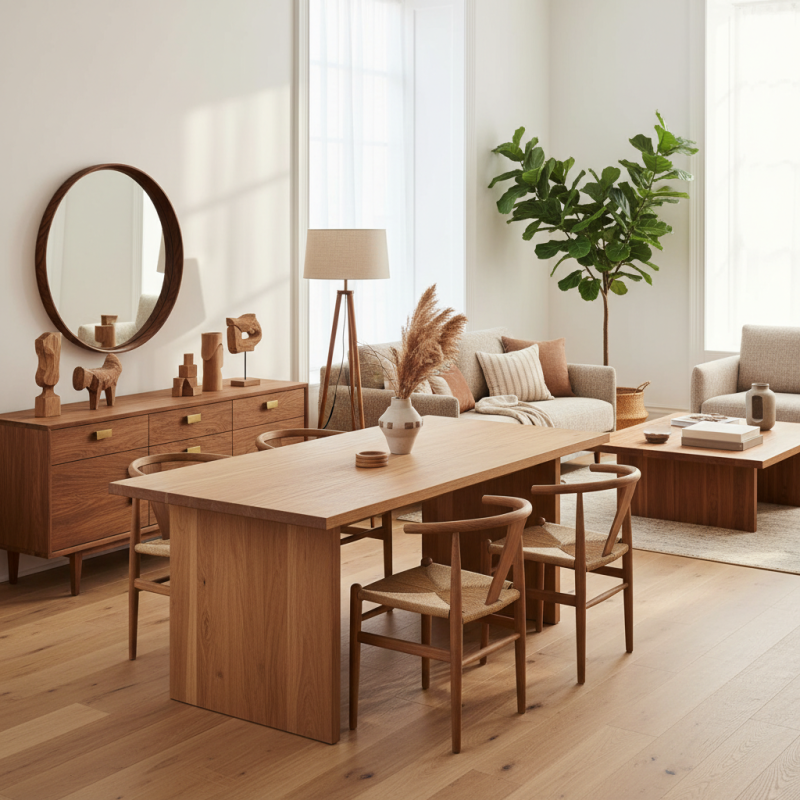
Key Characteristics of 2026 Wooden Furniture Trends
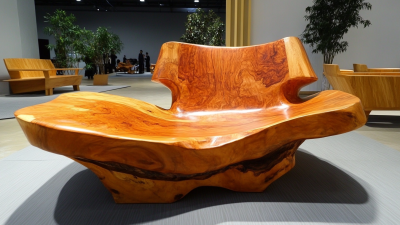
Wooden furniture trends in 2026 focus on sustainability and craftsmanship. Buyers are increasingly aware of the environmental impact of their purchases. Furniture made from reclaimed wood, for instance, shows a commitment to eco-friendliness. This trend emphasizes unique textures and imperfections.
Natural finishes are also gaining popularity. They highlight the wood's inherent beauty while preserving its natural essence. Soft tones, like light oak and ash, create a serene ambiance in homes. Buyers are drawn to these calming hues.
Tips: Consider mixing different wood types for a richer look. This adds character to your space and reflects personal style. Don’t shy away from pieces with visible knots or flaws; they tell a story. When selecting furniture, think about how it will evolve with your living space.
Sustainable Materials and Eco-Friendly Practices in Wooden Furniture
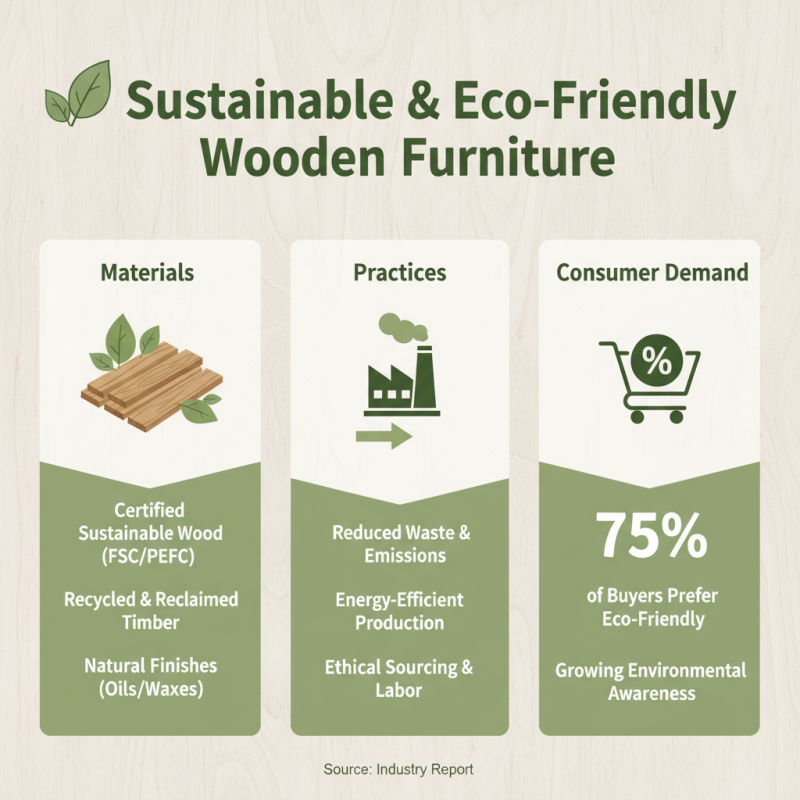
Sustainable materials and eco-friendly practices are central to the future of wooden furniture. Consumers increasingly prefer products that minimize environmental impact. A recent industry report indicated that 75% of furniture buyers favor eco-friendly materials. This shift reflects a growing awareness of sustainability in design and sourcing.
Wood is renewable, but not all timber is created equal. The trend now leans towards reclaimed wood and sustainably sourced options. Certifications like FSC (Forest Stewardship Council) ensure responsible forestry practices. Data show that certified wood can reduce deforestation rates significantly, but less than 10% of global forests are currently managed sustainably. This gap highlights the need for more rigorous standards in the industry.
Further complicating matters, the life cycle of products is crucial. Furniture must be durable to avoid premature disposal. Research indicates that 30% of furniture items are discarded within five years, contributing to landfill waste. By focusing on quality and repairability, manufacturers can meet growing consumer expectations for longevity and sustainability.
Innovative Designs: Mixing Traditional and Modern Styles
The trend of blending traditional and modern styles in wooden furniture is gaining momentum. A recent report by the Furniture Today Research estimates that over 70% of consumers prefer pieces that embody both vintage charm and contemporary functionality. This shift reflects a growing desire for unique, personalized spaces.
Innovative designs often leverage sustainable materials. Consumers are becoming increasingly conscious of environmental impacts. According to a survey by the International Wood Products Association, 65% of buyers prioritize eco-friendly options when choosing furniture. This has led to creative combinations that merge rustic aesthetics with sleek finishes, resulting in eye-catching pieces that serve as conversation starters.
However, the journey towards this perfect mix is not without challenges. Designers often struggle to maintain balance between old and new elements. Some projects have resulted in mismatched pieces that feel disjointed. The key is mastering the art of cohesiveness, which requires skill and a thorough understanding of each style's essence. This delicate balance can create a harmonious living space while reflecting personal taste.
Customization Trends in Wooden Furniture for Individual Buyers
The customization trend in wooden furniture is rapidly gaining momentum. As buyers seek individuality, custom pieces offer a unique touch to any space. A recent industry report indicates that 43% of consumers prefer customizable furniture options. This trend reflects a shift towards personal expression in interior design.
Personalization can be seen in various forms, from choosing materials to selecting specific finishes. Many buyers appreciate the ability to create furniture that aligns with their style and functional needs. Moreover, artisans and manufacturers are increasingly leveraging technology to enhance customization. Techniques like CNC machining enable intricate designs, allowing more complex shapes and tailor-made functionalities.
Despite the advantages, challenges exist. Custom orders can take longer to fulfill, sometimes leading to buyer impatience. Additionally, the costs are generally higher than mass-produced items. Consumers must weigh their desire for unique pieces against these considerations. In navigating this trend, a balance between uniqueness and practicality is crucial for those investing in wooden furniture.
Technology Integration in Wooden Furniture: Smart Innovations
The integration of technology into wooden furniture represents a significant shift in design and functionality. Smart innovations are transforming traditional wooden pieces into interactive items. Imagine a coffee table with built-in wireless charging, seamlessly blending wood’s warm aesthetic with modern utility. This trend enhances user experience, making everyday tasks more efficient.
Customers now seek versatility in their furniture. Smart sensors can adjust lighting or temperature, offering personalized comfort. An armchair that responds to your posture is not just a luxury; it can improve health and productivity. Yet, there are challenges. Balancing high-tech features with the natural appeal of wood is crucial. Too much tech can overshadow the beauty of craftsmanship.
Moreover, sustainability remains a concern. As technology advances, ensuring eco-friendly materials is essential. Buyers are more conscious of how their choices impact the environment. The merging of wood and technology must not compromise sustainability. This trend is still evolving, and it requires ongoing reflection on design integrity and environmental responsibility.
2026 Top Wooden Furniture Trends Buyers Need to Know: Technology Integration in Wooden Furniture
| Trend |
Description |
Innovative Technology |
Expected Impact |
| Smart Desks |
Desks with integrated charging stations and customizable settings. |
Wireless charging, adjustable height controls. |
Enhances productivity and improves ergonomics. |
| IoT-Connected Furniture |
Furniture that connects to smart home systems for enhanced functionality. |
Smart sensors and connectivity features. |
Improved user experience through automation. |
| Sustainable Smart Furniture |
Wooden furniture made from recycled materials with smart features. |
Eco-friendly materials, solar-powered gadgets. |
Supports sustainability goals while offering tech benefits. |
| Integrated Lighting |
Furniture with built-in LED lighting for ambiance and functionality. |
LED technology with smart control features. |
Creates a flexible environment for various activities. |
| Modular Furniture Solutions |
Configurable and reconfigurable wooden furniture pieces. |
Smart assembly and disassembly mechanisms. |
Adapts to changing space requirements easily. |